My Herb Store
Pure, Potent & Proven
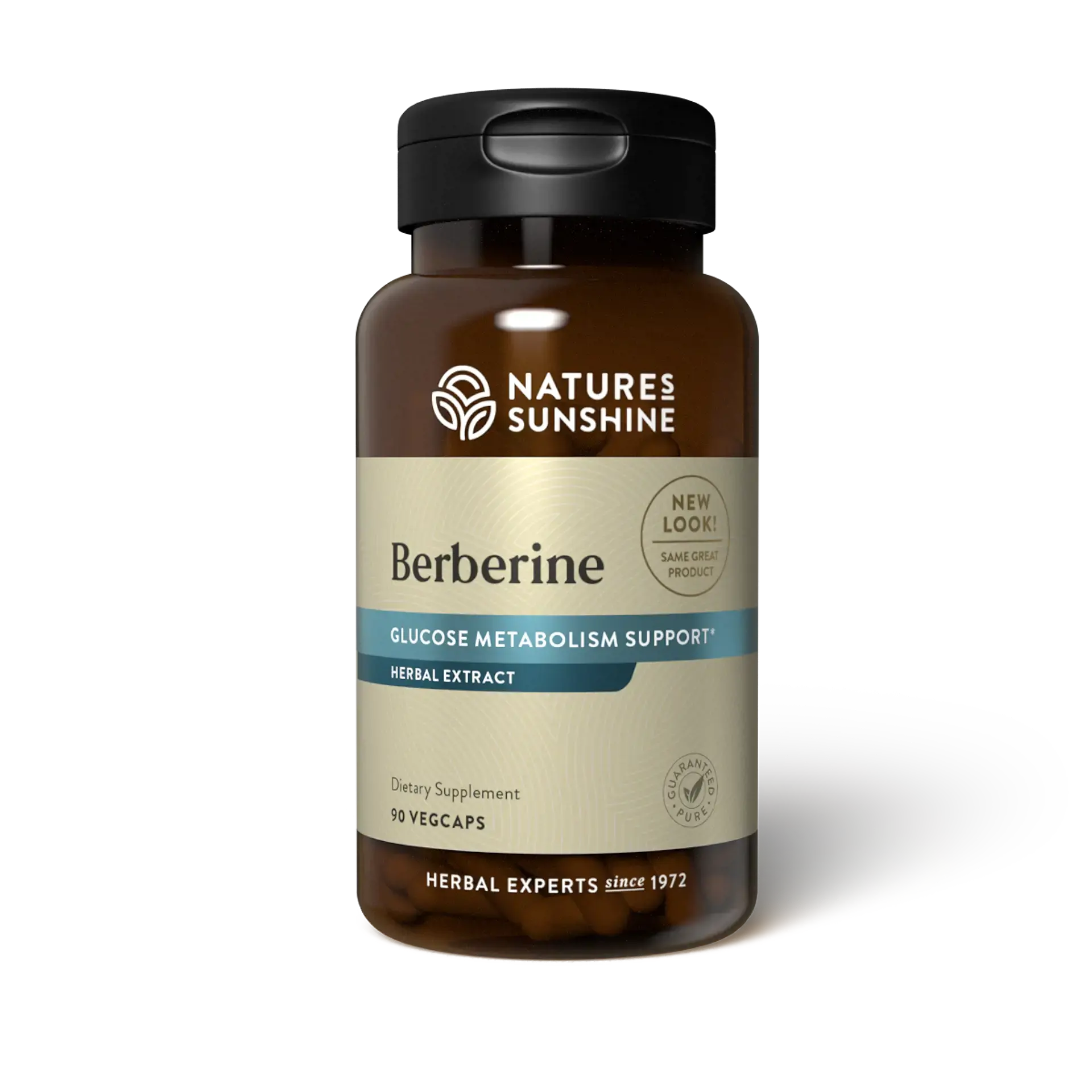
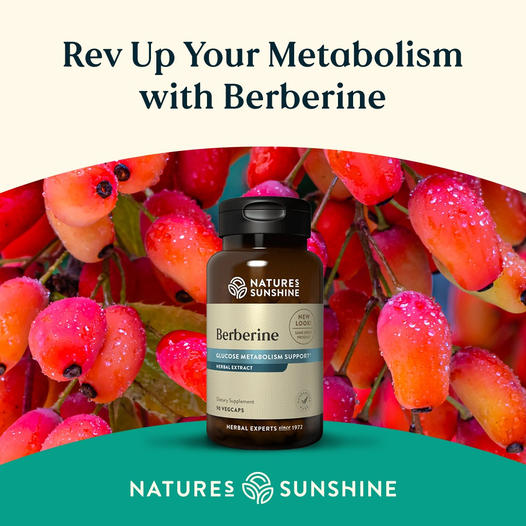
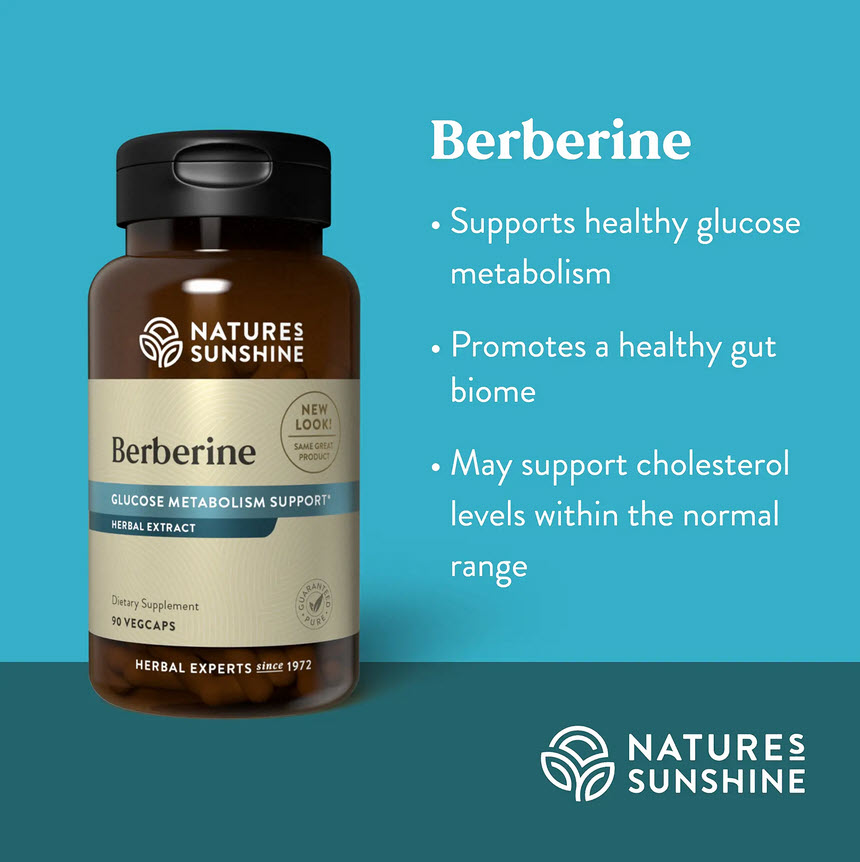




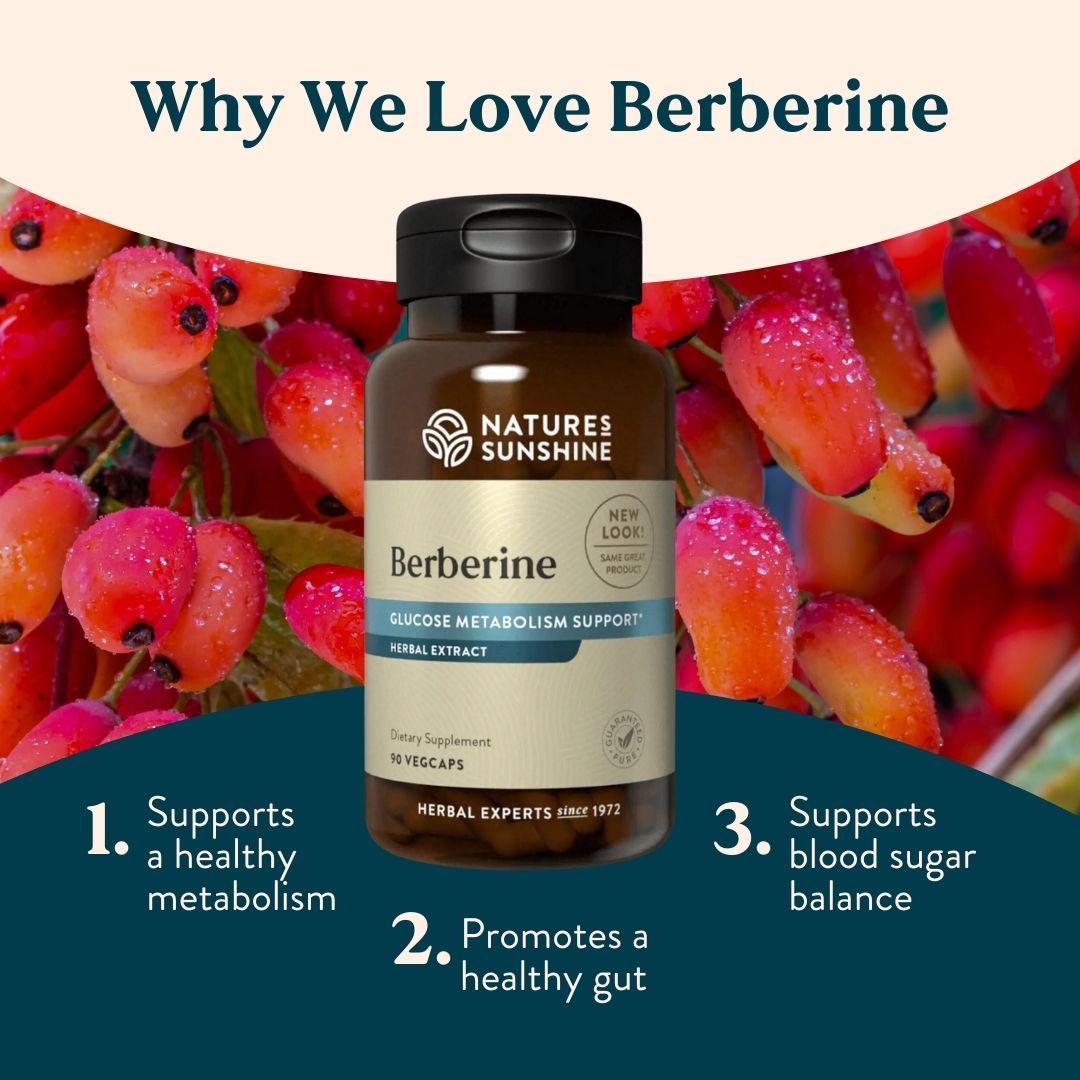


Berberine
Overview
Flip your switch to “lovin’ life”!
Berberine switches cells from “idle” to “on”, so they use glucose more efficiently and take your feel-good to a whole new level.
Looking to support healthy blood sugar, metabolism, or gut health?
Berberine might be what you’ve been missing.
Berberine is in today's limelight for its powerful, natural support for metabolism and gut health.
This powerful plant compound has been used for centuries to help balance blood sugar, support healthy cholesterol, and promote a thriving gut microbiome.
And our Berberine is standardized for potency and purity, so you get consistent, reliable results!
Switch your cells from “idle” to “on” in the glucose metabolism process with Berberine.
And make sure yours is non-GMO and harvested high in the Himalayas in pure, potassium-rich soil for maximum efficacy.
Glucose Metabolism Support
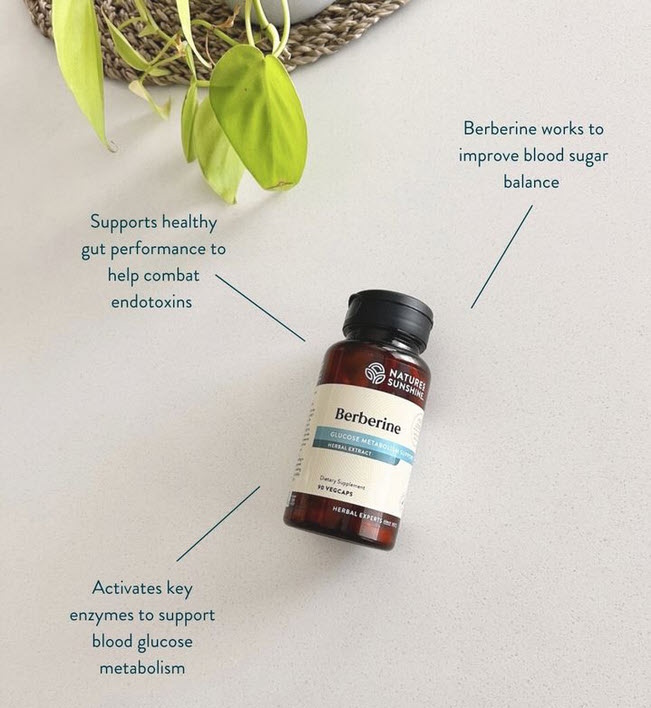
Berberine naturally supports healthy blood glucose levels by up-regulating enzymes that trigger blood glucose metabolism.
Utilizing a time-honored ingredient found in both Traditional Chinese and Ayurvedic formulas, berberine works to support blood sugar balance and glucose metabolism through a unique cellular action.
Support your body’s ability to metabolize blood sugar with Berberine!*
Benefits
- Supports healthy glucose metabolism by helping to maintain normal insulin sensitivity
- Helps your cells draw energy from glucose & fats more effectively
- Helps maintain already-normal-range glucose & cholesterol levels
- Promotes a healthy gut biome & protects the gut barrier
- Supports gut health to combat endotoxins
- Supports the glandular & nervous systems
- May support blood pressure levels already in the normal range
- May help you feel more energized
- Wild-crafted by local Himalayan harvesters & proudly non-GMO
How It Works
Berberine has been recognized for its many beneficial properties as a phytonutrient, and its use can be traced to China nearly 5,000 years ago!
Berberine is a plant alkaloid extracted from a variety of herbs, including Indian barberry, as well as Oregon grape, goldenseal and prickly poppy.
Berberine's unique mechanism of action makes it an excellent option for those looking to begin a blood glucose management program, or to enhance and strengthen their existing regimen.
Berberine helps activate a key enzyme that regulates the body's normal blood glucose metabolism, turning your cells from “idle” to “on” and helping them to use glucose efficiently.
Berberine also supports a healthy gut microbiome and gut performance to help combat endotoxins.
High-carbohydrate diets change the microflora of the gut, increasing bacteria that produce endotoxins. These endotoxins are released into the bloodstream and can interfere with normal glucose metabolism. Endotoxins can also compromise mitochondrial function and reduce cellular energy production.
Berberine specifically supports gut health by inhibiting the ability of endotoxins to bind to muscle cells, thus helping to support proper glucose metabolism function.
Additionally, recent preliminary studies show berberine can cross the blood-brain barrier to support brain health by providing antioxidant protection and enhancing cognitive function.
Berberis aristata is an Indian medicinal plant from the family Berberidaceae. Also known as Indian barberry, this Ayurvedic shrub was used anciently by many cultures.
The Egyptians used barberry fruit for immune support. In India, they used barberry fruit to help balance the fluid levels in the bowel. Russian proponents used barberry for circulatory concerns. And in Iran, they employed it for its ability to settle and soothe the circulatory and nervous systems.
Other names for this species include Indian berberi, tree turmeric, jaundice berry, Daruharidra and Darvi. Native to the mountains of India and Nepal, it now grows in temperate climates across Europe, Asia and America.
Frequently Asked Questions
WHAT IS BERBERINE?
Berberine is a plant alkaloid (naturally occurring chemical compound) found in a variety of plants such as Indian barberry, Oregon grape, goldenseal, Chinese goldthread, prickly poppy and Californian poppy. In source plants, berberine is typically found abundantly in root, rhizome and bark tissue. Our source of berberine is Indian barberry.
HOW DOES IT WORK?
Researchers have discovered that berberine activates adenosine monophosphate-activated protein kinase, or AMPK. This enzyme exists in all of our cells, and when it’s activated, our bodies do a better job of metabolizing or breaking down both glucose (sugar) and fat for energy. That’s great news for the 49% of American adults who want to lose or better manage their weight.
Berberine naturally turns your cells from idle to on by flipping the switch on AMPK and powering up cellular energy production. Are there other ways to do this? Yes, the best way to activate AMPK is with high-intensity exercise. This triggers cells running low to boost their AMPK activity. If intense exercise just isn’t your thing, water-soluble dietary fiber can also help increase AMPK somewhat. But not like berberine.
Berberine also combats endotoxins to support healthy gut performance. Eating lots of carbohydrates can trigger gut bacteria to release huge amounts of endotoxins, and these interfere with the normal metabolism of glucose. Berberine targets unwanted gut bacteria and makes it hard for them to stick to intestinal cells, which in turn supports glucose metabolism. In this way, berberine aids gut barrier function by helping your gut be a better gatekeeper against the nasty things that you want to keep out.
WHAT ROLE DOES ENDOTOXEMIA PLAY IN BLOOD SUGAR METABOLISM?
Diets high in carbohydrates can lead to increased growth of bacteria in the gut that produce large amounts of endotoxins. These endotoxins can enter the bloodstream and set off a systemic response that can cascade into numerous other problems, including interference with proper glucose metabolism. Current research suggests that berberine can help selectively alter the gut bacteria and reduce the number of endotoxins produced, thus helping to support proper glucose metabolism.[1] This ability also explains why berberine can have so many reported beneficial properties.
CAN I TAKE BERBERINE IF I ALREADY TAKE ANOTHER NATURE’S SUNSHINE PRODUCT FOR GLUCOSE MANAGEMENT SUCH AS SUGARREG®?
As with all nutritional supplements, we recommend that you consult your physician prior to taking Berberine if you have any medical concerns.
[1] X. Zhang, Y. Zhao, M. Zhang, X. Pang, J. Xu, C. Kang, M. Li, C. Zhang, Z. Zhang, Y. Zhang, et al., PLoS One 2012, 7, e42529
Ingredients
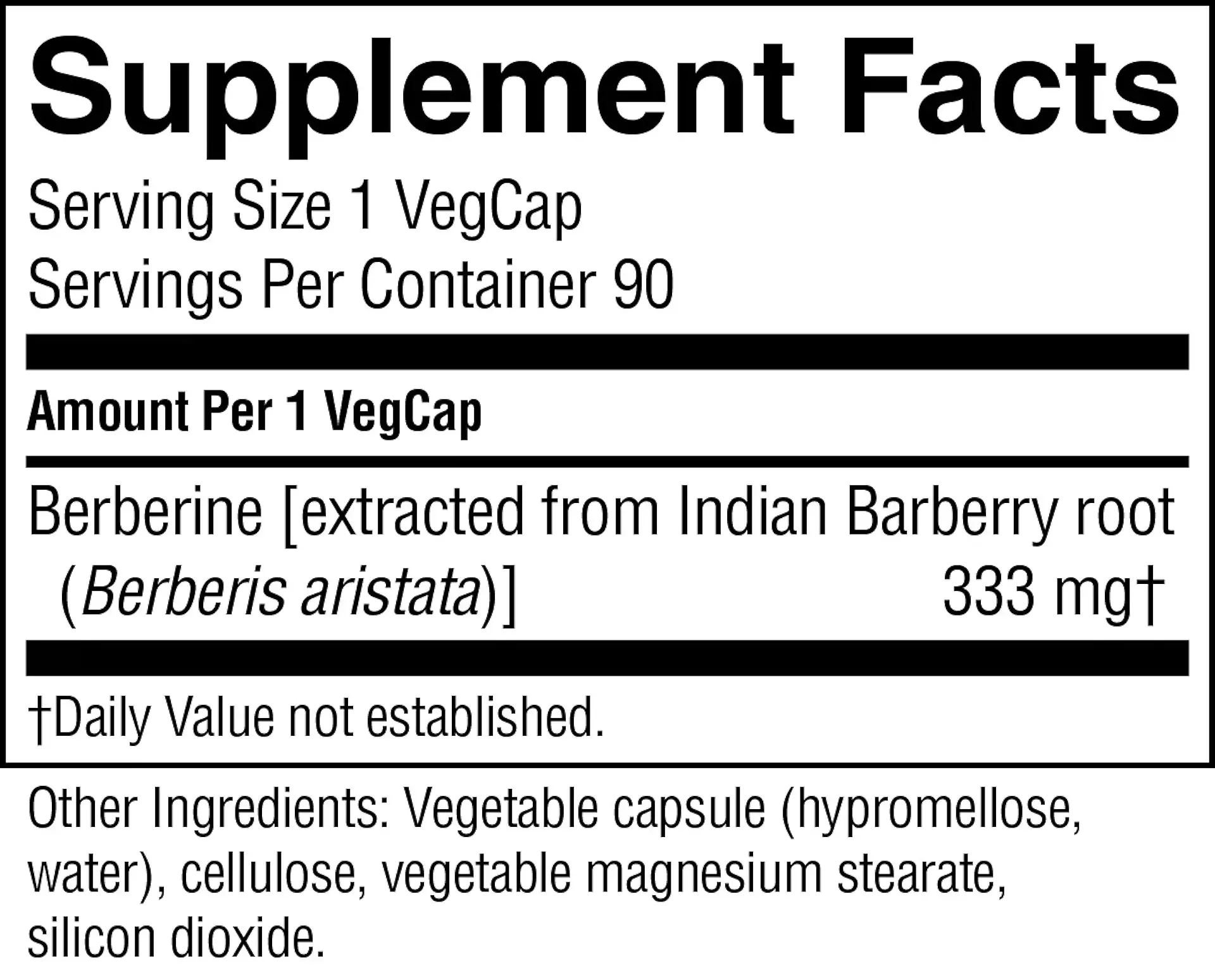
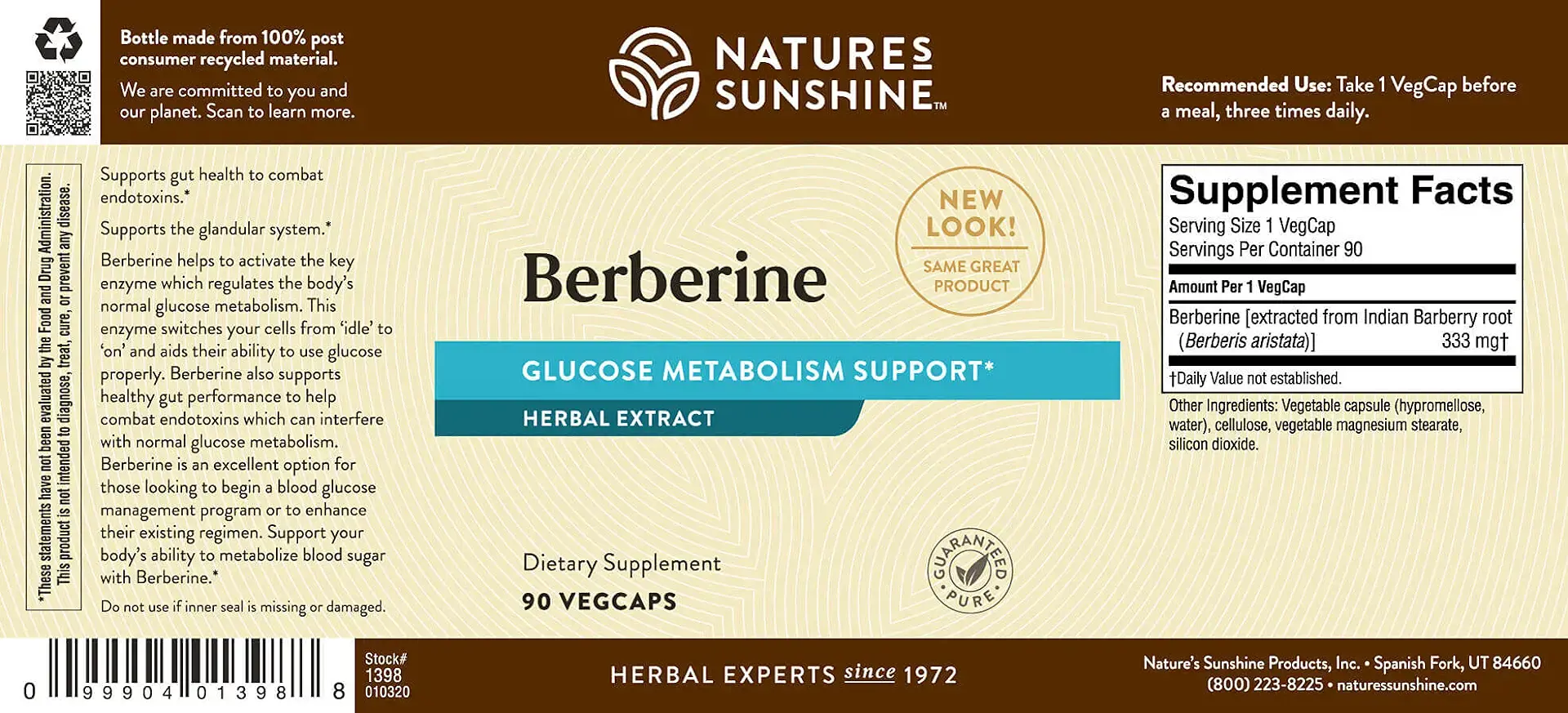
Berberine extracted from Indian Barberry root (Berberis aristata).
Quality
The Himalayan Mountains provide rich biodiversity, featuring a host of natural plant life. Berberis aristata (Indian barberry) flourishes in this region and the adjoining hill country. The root’s berberine content and activity has been found to be dependent on the altitude at which the plant grows and its soil content: it thrives in a potassium-rich environment.
Our relationship with our berberine supplier goes back more than 15 years. We’ve personally visited this partner and have witnessed how local wildcrafters carefully harvest only a portion of the roots, leaving plants intact for future harvests. We've seen their active involvement with the farming community and wildcrafters, and we've conducted a personal audit of their processing facilities.
Our berberine is non-GMO verified, and Kosher- and Halal-certified.
Recommended Use
Take 1 capsule three times daily before a meal.
Related Products
Reviews
* These statements have not been evaluated by the Food and Drug Administration. This product is not intended to diagnose, treat, cure or prevent any disease.