
My Herb Store
Pure, Potent & Proven
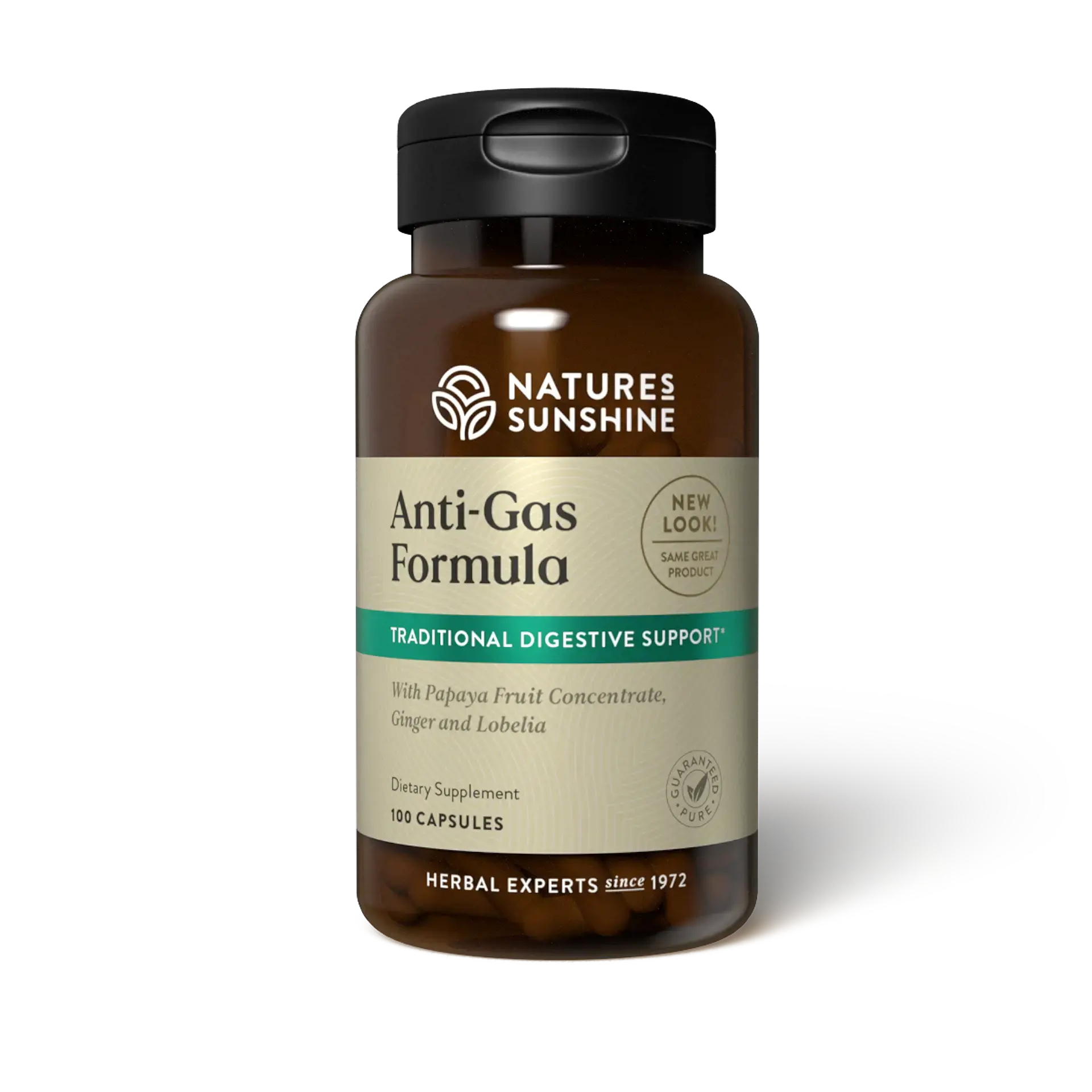











Anti-Gas Formula (with Lobelia)
Overview
It might not be something we like to talk about, but we all must fight occasional gas and bloating.
Gas buildup that results in belching or flatulence can be caused by a number of factors.
Typically, flatulence is caused by the fermentation of undigested food, or when your digestive system doesn’t completely break down certain food components, such as gluten or sugar in dairy and fruit.
Bloating is what happens when gas does not pass through the body through flatulence or belching and becomes built up in the stomach and intestines. Bloating can sometimes hurt, but can often be reduced by passing gas or having a bowel movement.
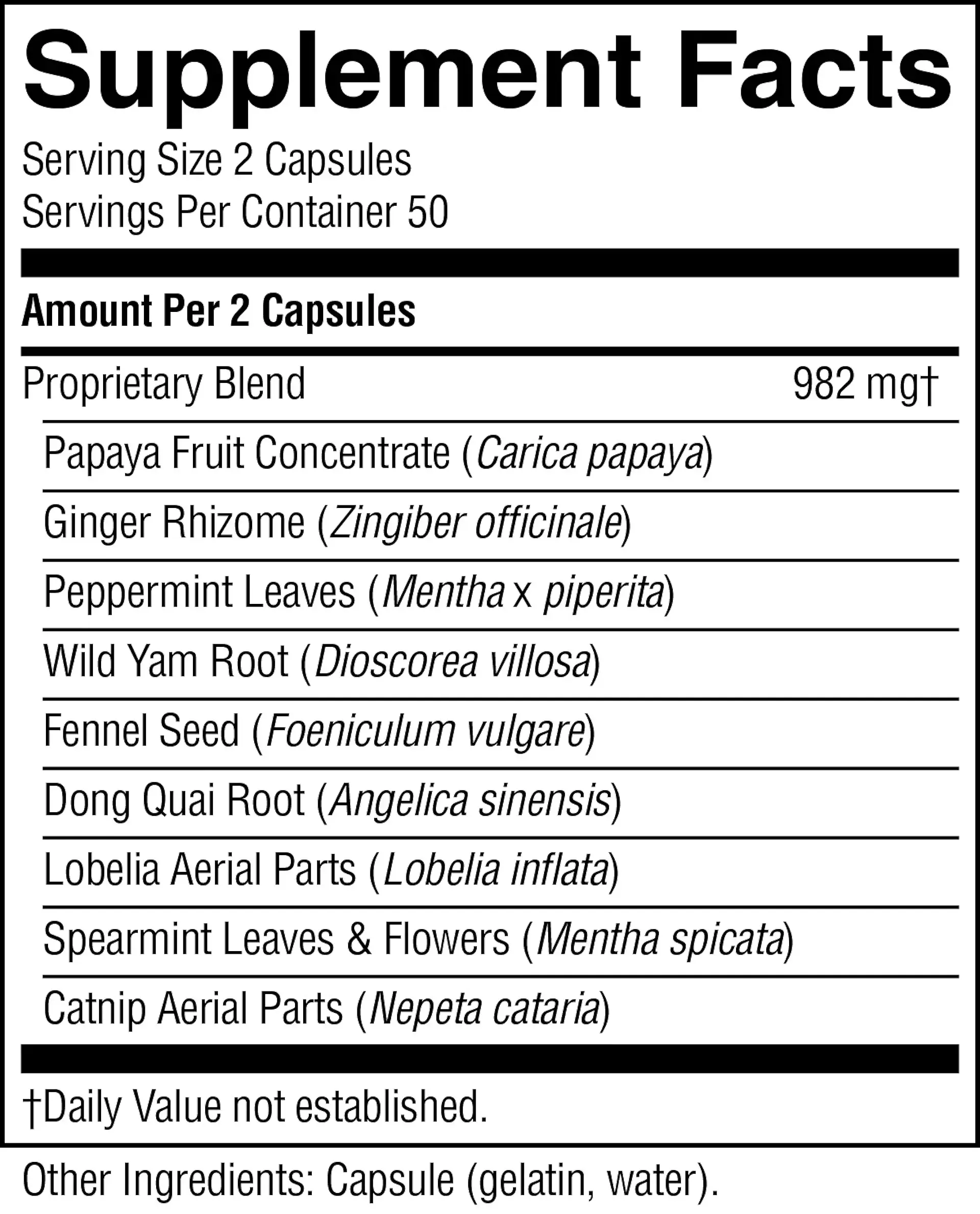
Anti-Gas contains nine herbs to aid in digestion and assist in gas expulsion.
This sweet blend features ginger, papaya, peppermint, fennel and lobelia for powerful digestive support.
Benefits
- Supports digestion.
- Assists the body in expelling intestinal gas.
- May help calm occasional nausea.
How It Works
Papaya
Papaya fruit contains enzymes that aid digestion and help relieve stomach discomfort, including belching, gas and nausea. Papaya is the only known food to contain papain, a powerful enzyme that helps break down meat and other proteins. Papain's digestive activity also extends to carbohydrates and fats. Papaya contains other enzymes that help break down starches and milk protein. In addition to smooth digestion and stomach comfort, papaya helps support a healthy appetite.
Ginger
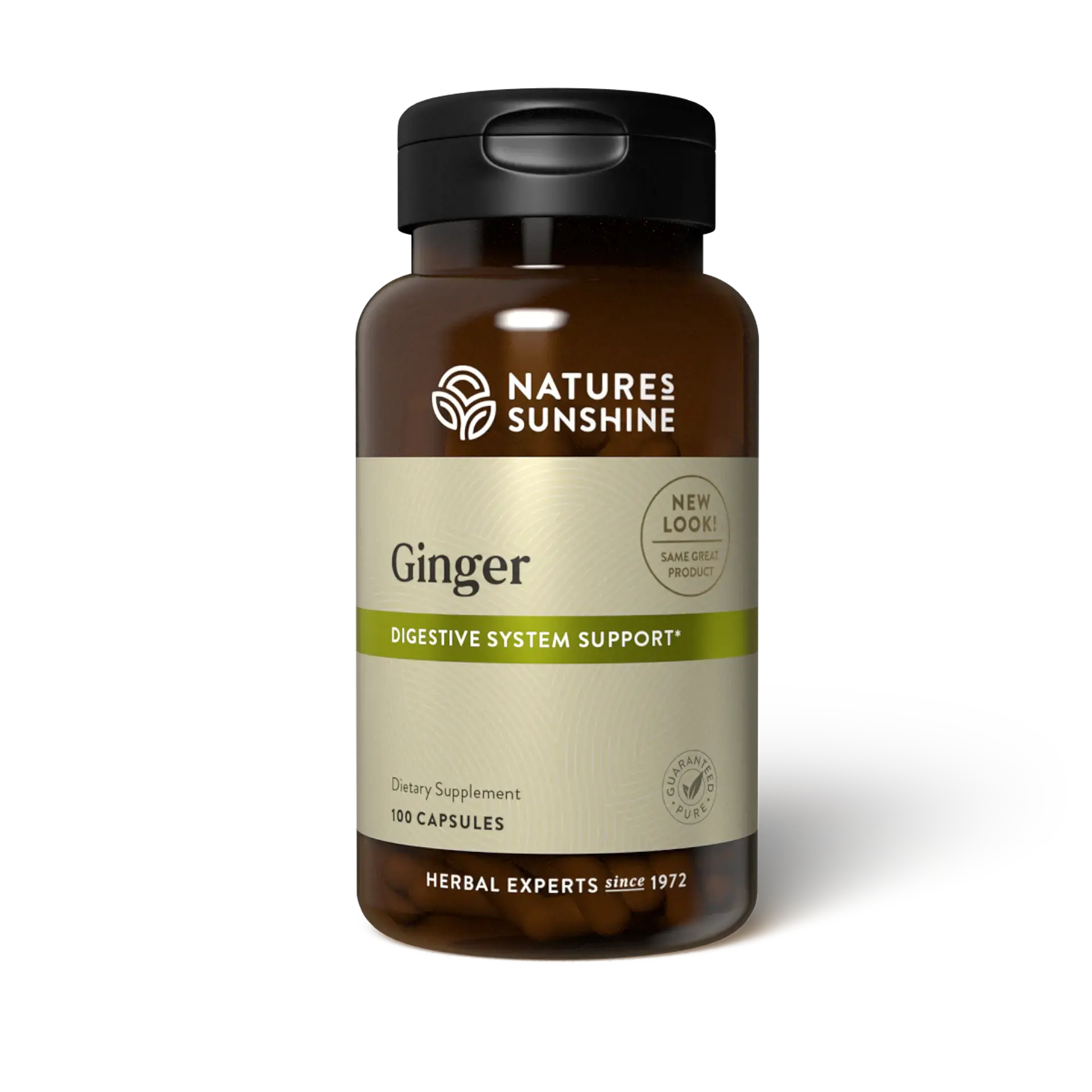
Ginger has been used as both food and medicine in Asia for thousands of years. Although it originated in Southeast Asia, its use spread throughout the eastern and western civilizations where it was valued for cooking, digestive support and its medicinal merits. Traditionally, ginger helped with a laundry list of complaints, including cold, fever, joint discomfort, aches, cramps, nervous system support, oral health, circulatory health, plus indigestion, gas, nausea and vomiting. Researchers have found that ginger may help settle the stomach during times of occasional nausea, motion sickness and morning sickness.
Peppermint
Peppermint is a carminative and helps to drive gas out of the body. Peppermint stimulates digestive fluids and the flow of bile, which the body uses to digest fats. This enables food to be more efficiently digested and reduces gas buildup. Peppermint also relaxes the smooth muscles of the stomach and lower bowel, helping digestive gas to pass and relieving cramping.
Wild Yam
Wild yam has been used for centuries by Native Americans and early settlers for a variety of issues, including targeted gut support, gastrointestinal issues, energy, and joint health. Wild yam was commonly called colic root 100 years ago in the U.S., since early Americans used it to relieve colic. During the 18th and 19th centuries, Western herbalists used wild yam to treat various female complaints, coughs, muscle spasms and cramps, and upset stomach. Wild yam is still used today to support glandular and reproductive health, promote muscle relaxation, and encourage healthy digestive function.
Fennel
Fennel is an aromatic herb that helps soothe digestive disturbances and relax smooth muscles of the digestive and intestinal tract. Fennel is regarded as a traditional cleansing herb and is often used after eating to ease cramping, bloating and gas. A member of the carrot family and native to the Mediterranean region, fennel's feathery green leaves and white base are almost a cross between celery and carrots. Fennel seeds are commonly used to flavor Middle Eastern, Indian and Chinese dishes.
Dong Quai
Also known as female ginseng, dong quai benefits the circulatory, nervous and immune systems. Traditional Chinese Medicine (TCM) practitioners often use dong quai to restore the body's vital energy known as "qi" or "chi", and to return the body to a state of natural balance. Chinese physicians also use dong quai to enrich the blood, promote circulation, calm the nerves, relax muscle cramping and spasms, and soothe the intestines.
Lobelia
Lobelia promotes the release of digestive fluids and helps relax muscle spasms and cramps. Lobelia also offers natural components that support and calm the nervous system, working as a universal relaxant.
Spearmint
Spearmint is native to Europe and Asia and has become a popular addition to salads, beverages and many dishes. This plant’s spear-shaped leaves contain menthol, a terpene with cooling and perhaps soothing properties. Spearmint also contains carvone, which adds to its sweet flavor. Spearmint leaves and oil have been used traditionally for digestion issues, including nausea and gas.
Catnip
Catnip, a perennial herb belonging to the mint family, contains aromatic compounds that help support digestive function. Used traditionally in Europe for centuries, catnip leaves were brewed as a tea to aid digestion after meals. Catnip has also been used to help expel occasional gas, relax the smooth muscles of the digestive tract, and control hiccups.
Ingredients
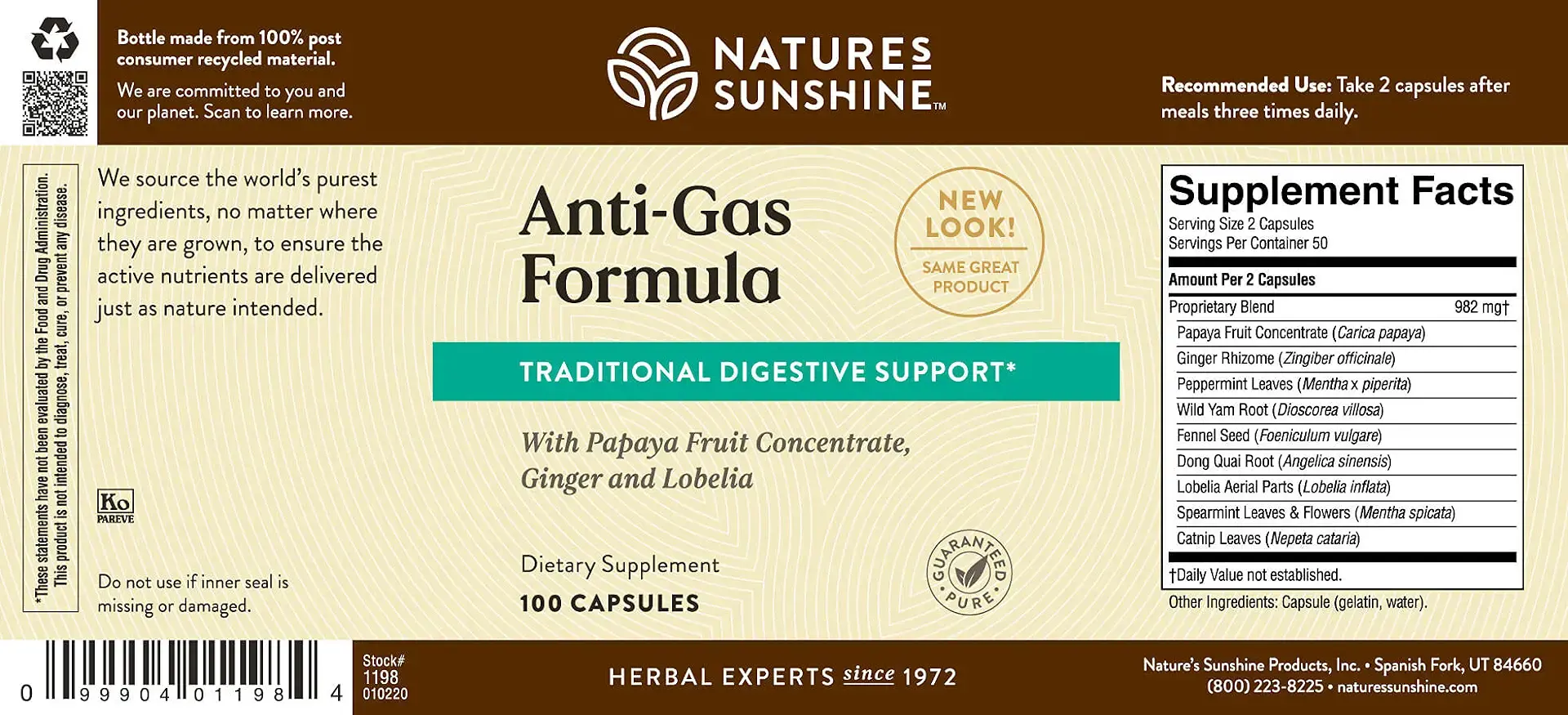
Papaya fruit concentrate, ginger rhizome, peppermint leaves, wild yam root, fennel seed, dong quai root, lobelia aerial parts, spearmint leaves and flowers, and catnip leaves.
Quality
We get our papaya fruit from a trusted partner in India where the climate is perfect for this crop. It is non-GMO verified, Kosher and Halal-certified, and never frozen. Because frozen papaya is gross.
Recommended Use
Take 2 capsules after meals three times daily.
Related Products


Reviews
* These statements have not been evaluated by the Food and Drug Administration. This product is not intended to diagnose, treat, cure or prevent any disease.