My Herb Store
Pure, Potent & Proven
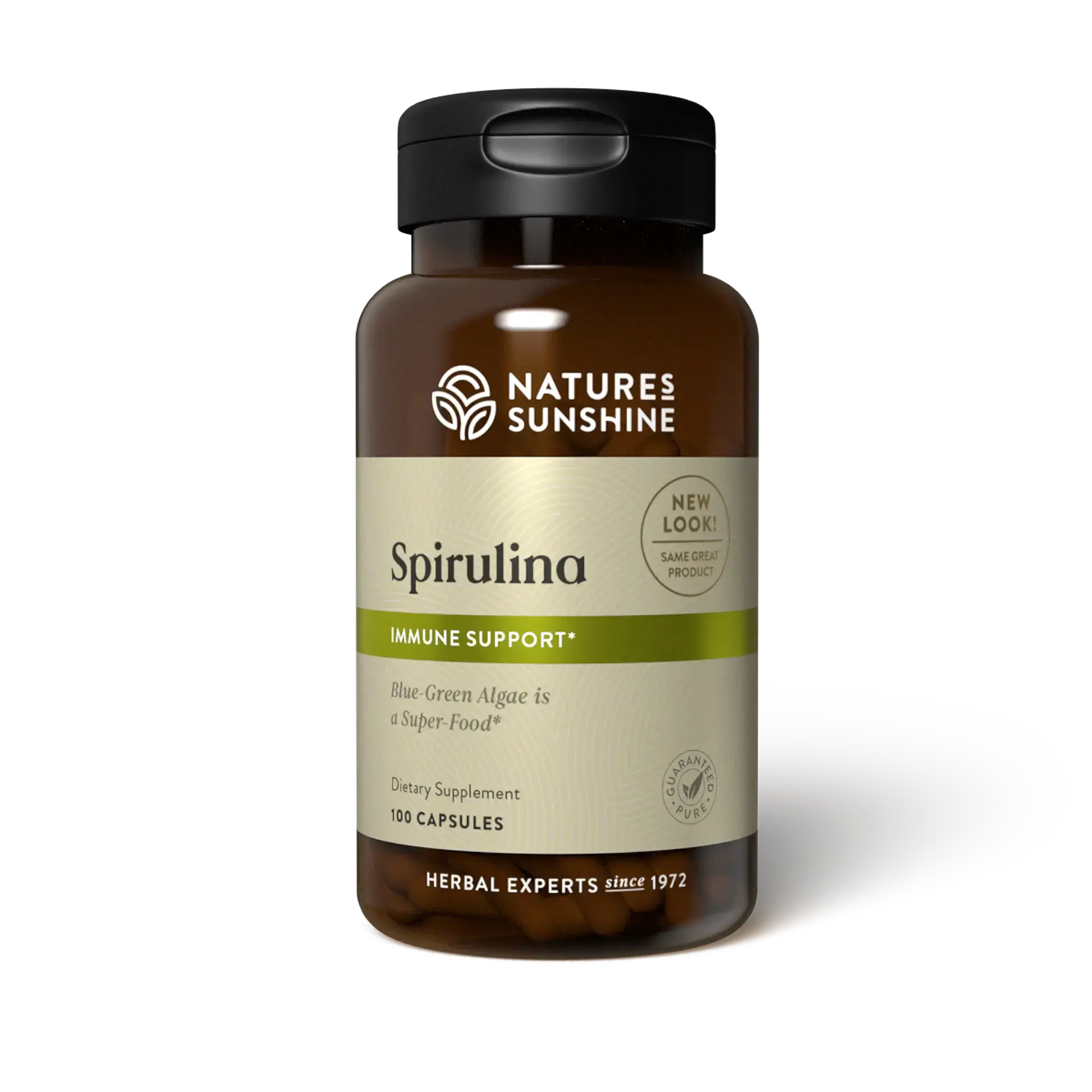
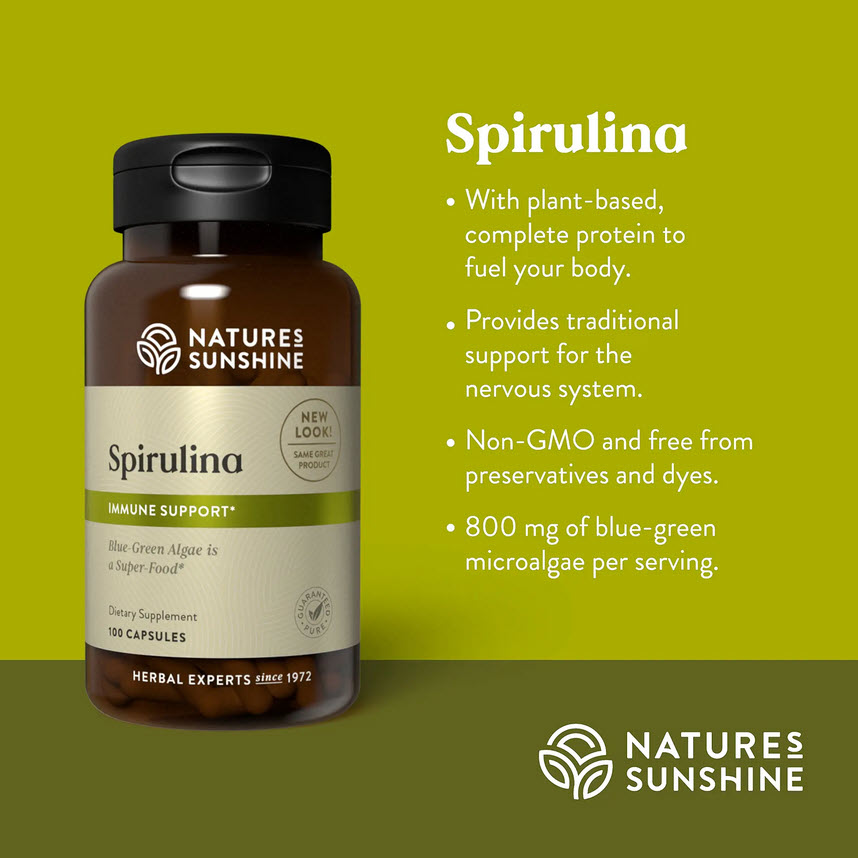


Spirulina
Overview
Green and clean, complete plant protein!
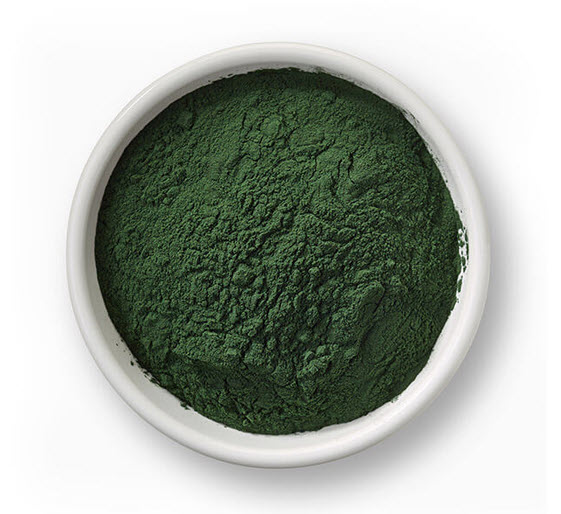
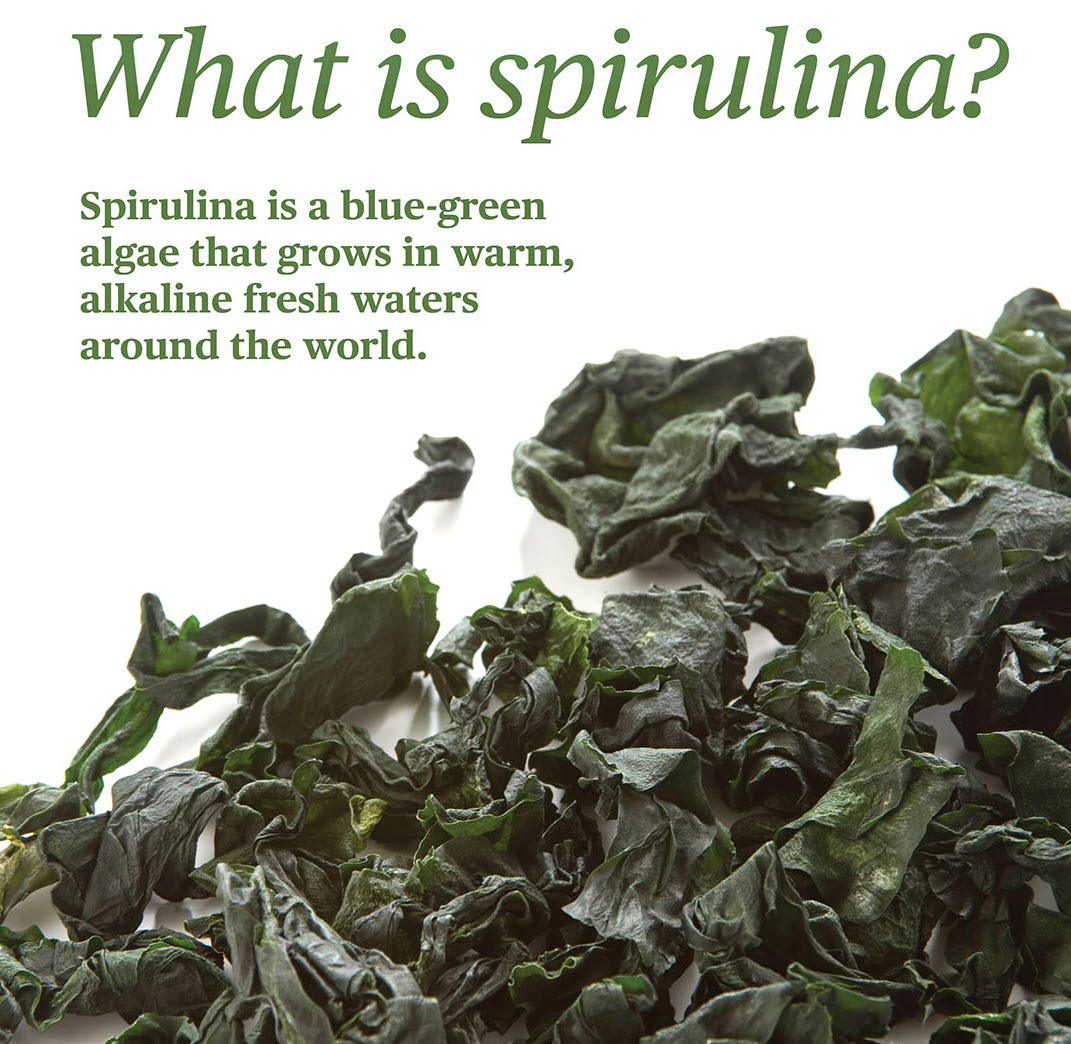
Spirulina is a blue-green algae superfood known for its nutritional properties.
And talk about herbal tradition...spirulina has been used nutritionally for more than 500 years!
Spirulina is a super-food, rich in easily assimilated nutrients like vitamin B12.
Spirulina has been used traditionally as food for its nutritional values dating back to the 16th century.
NASA even uses spirulina for space travel, due to the wide range of nutrients provided in a small amount.
Benefits
- Plant-based, complete protein to fuel your body.
- Supports the nervous & immune systems.
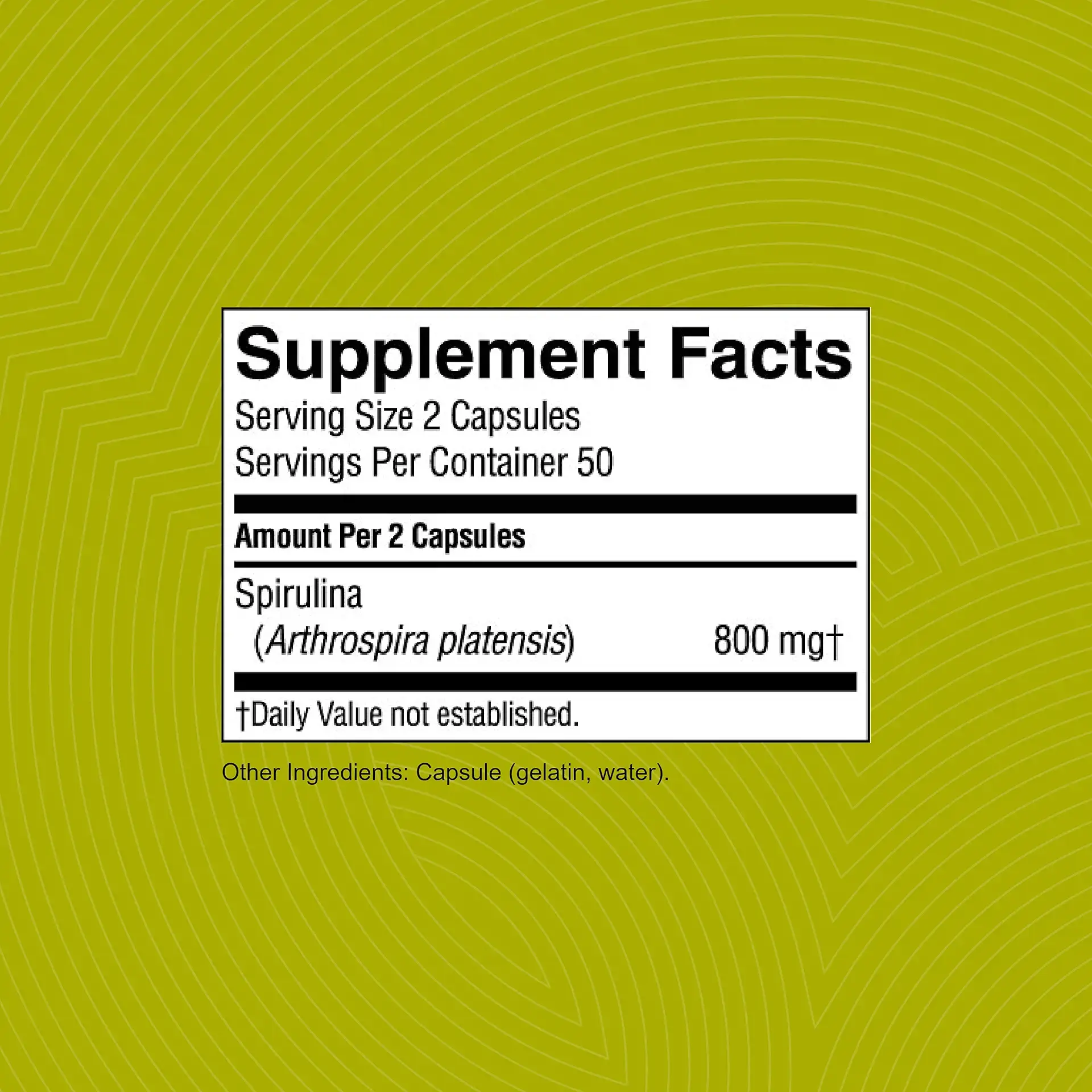
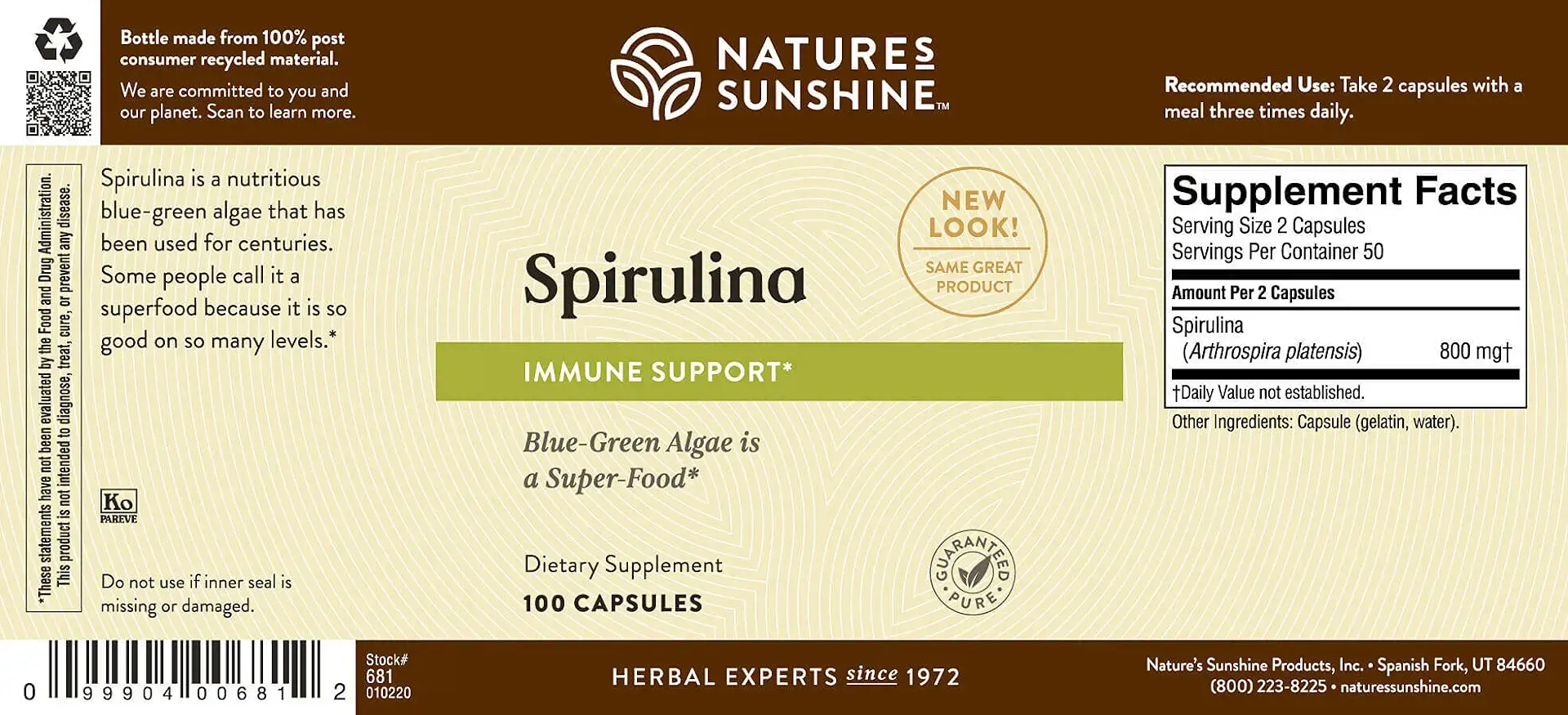
- Provides 800 mg of 100% blue-green microalgae per serving.
- Non-GMO and free from preservatives & dyes.
How It Works
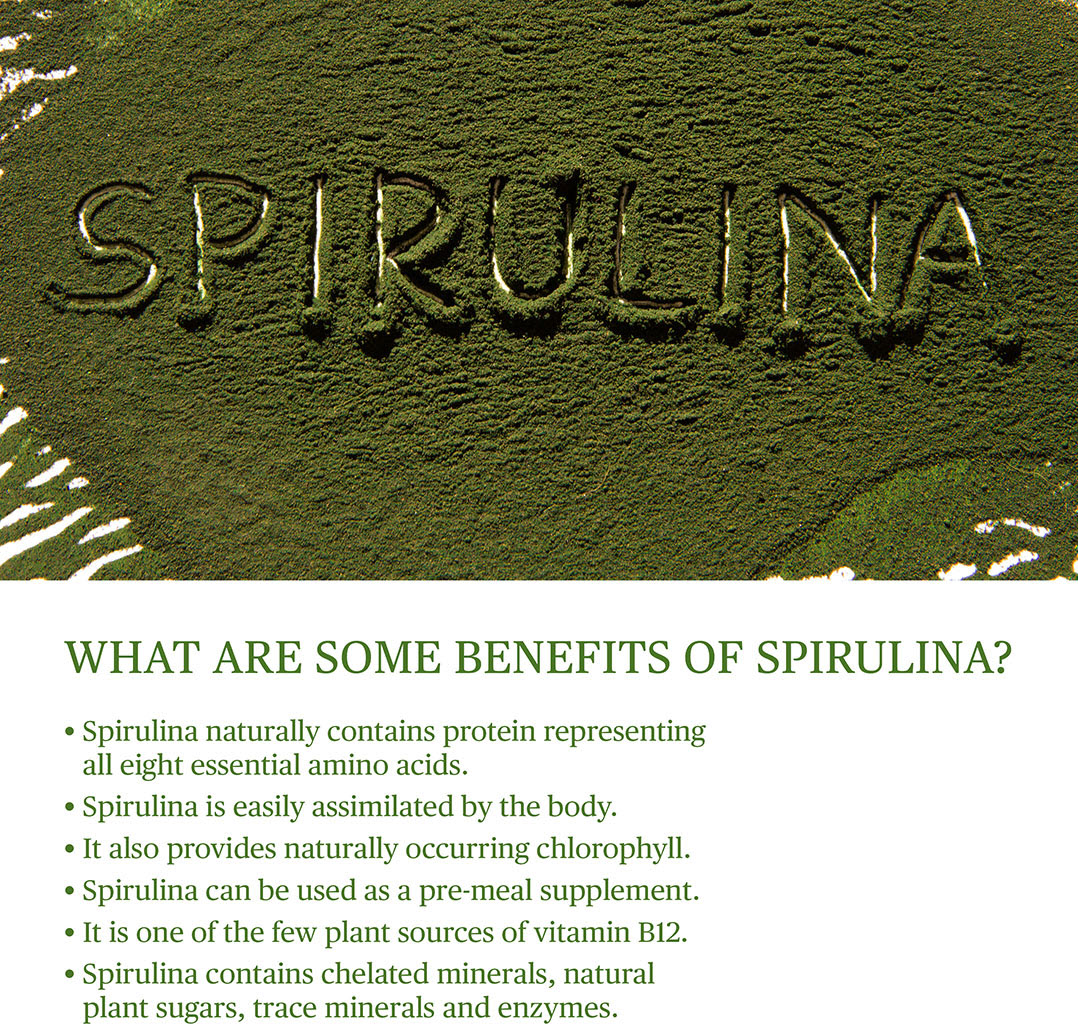
Spirulina is the best botanical source of complete protein (representing all 9 essential amino acids) available, and it's packed with vitamins and minerals like calcium, iron, magnesium, potassium, and more.
It is also a good source of tryptophan, an essential amino acid that helps balance the nervous system and plays a key role in the body's production of serotonin and the regulation of stress, mood and appetite.
Spirulina contains two-and-a-half times more vitamin B12 than liver, as well as several antioxidant-rich carotenoids and dietary fiber.
Plus, spirulina provides naturally occurring chlorophyll, which helps support the body's blood-cleansing functions and strengthens the immune system. Chlorophyll also supports digestive health, toxin elimination and bowel regularity.
Spirulina nutritionally supports the nervous system and healthy brain function. Its rich supply of antioxidants helps protect the brain from free radical damage.
Spirulina has recently been shown to have beneficial effects on joint health via its antioxidant and immunomodulatory properties.
Recent studies suggest that spirulina may also help maintain normal-range blood pressure levels.
According to records, the Aztecs scooped up this colorful “sea-food” into their boats. And Aztec messengers may have eaten it on their long runs. In the 16th century, Spanish invaders discovered that the Aztecs in the Valley of Mexico were collecting matter or techuitlatl, from the blue lagoons and drying it into “cakes.”
Fast forward to 1940, when the Kanembu people of Northern Africa were seen harvesting spirulina along the shores of Lake Chad. In the late 1960s, spirulina started getting noticed for its bright color and amazing nutritional content. And in the following decade, researchers began examining spirulina as a possible source of inexpensive protein.
Today, this powerhouse of nutrition grows in nearly two dozen countries and is consumed in more than 70 nations across the globe.
Ingredients
Spirulina.
Quality
Our Spirulina algae grows in sunny southern California, away from the cities and polluted air. And while some algae products on the market are contaminated with cyanobacterial toxins, our partner cultures spirulina in alkaline water with a pH of 10+ to prevent toxic algae.
We examine the spirulina with technological and analytical tools to ensure that no toxins or contaminants are present.
Nature’s Sunshine Spirulina is green and clean.
It’s also non-GMO project verified, gluten-free, Kosher- and Halal-certified and free from preservatives and dyes.
Recommended Use
Take 2 capsules with a meal three times daily.
Related Products
Reviews
* These statements have not been evaluated by the Food and Drug Administration. This product is not intended to diagnose, treat, cure or prevent any disease.
Recipes
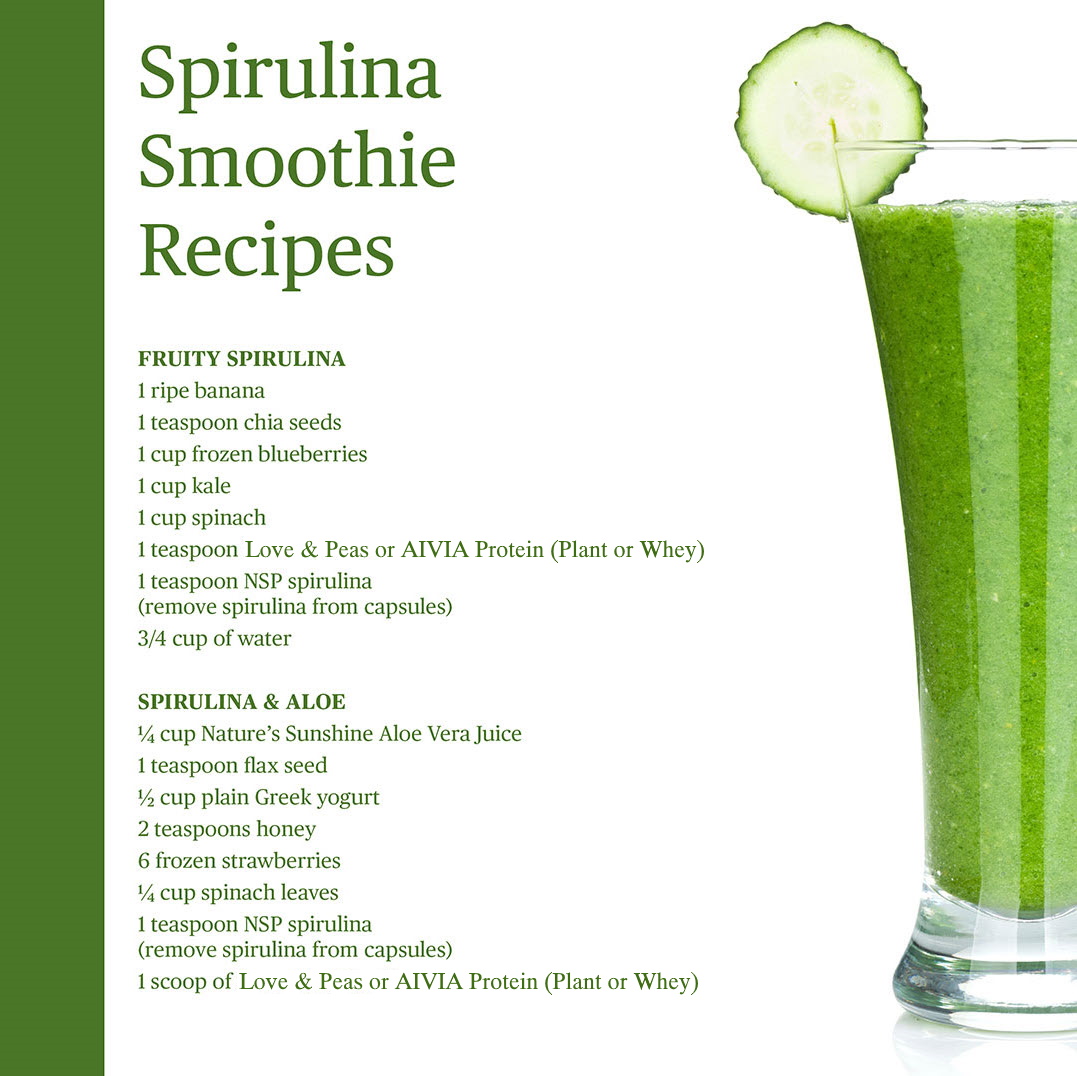
For more recipes, visit our Recipes Library!