
My Herb Store
Pure, Potent & Proven
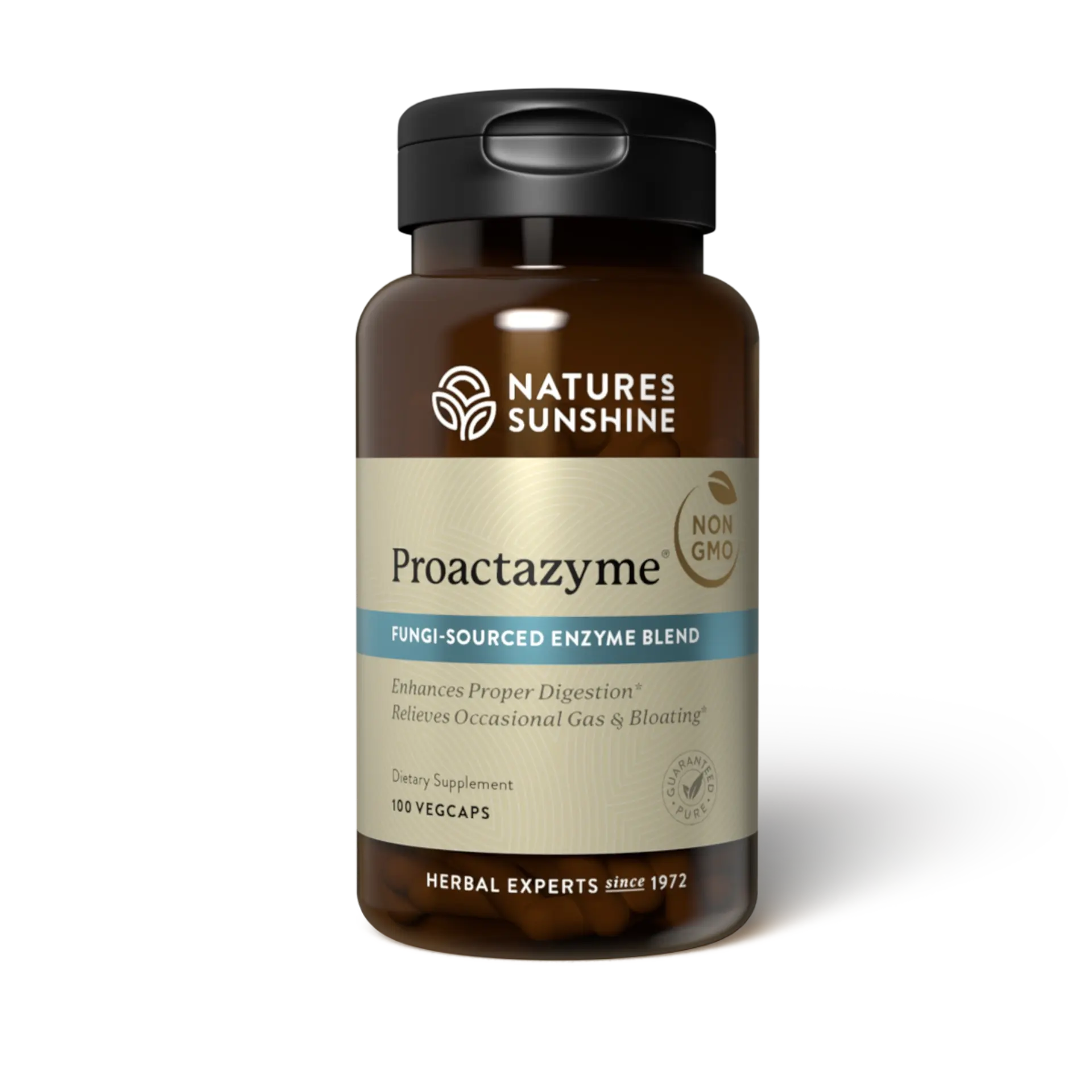
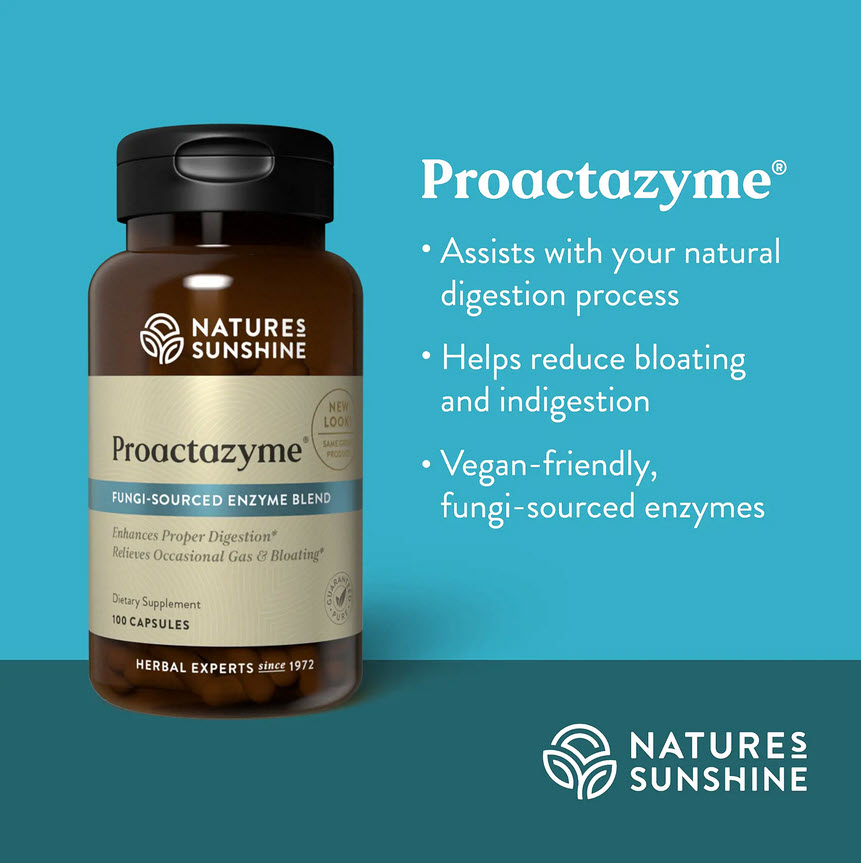













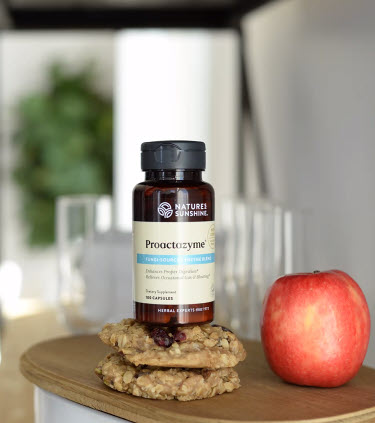


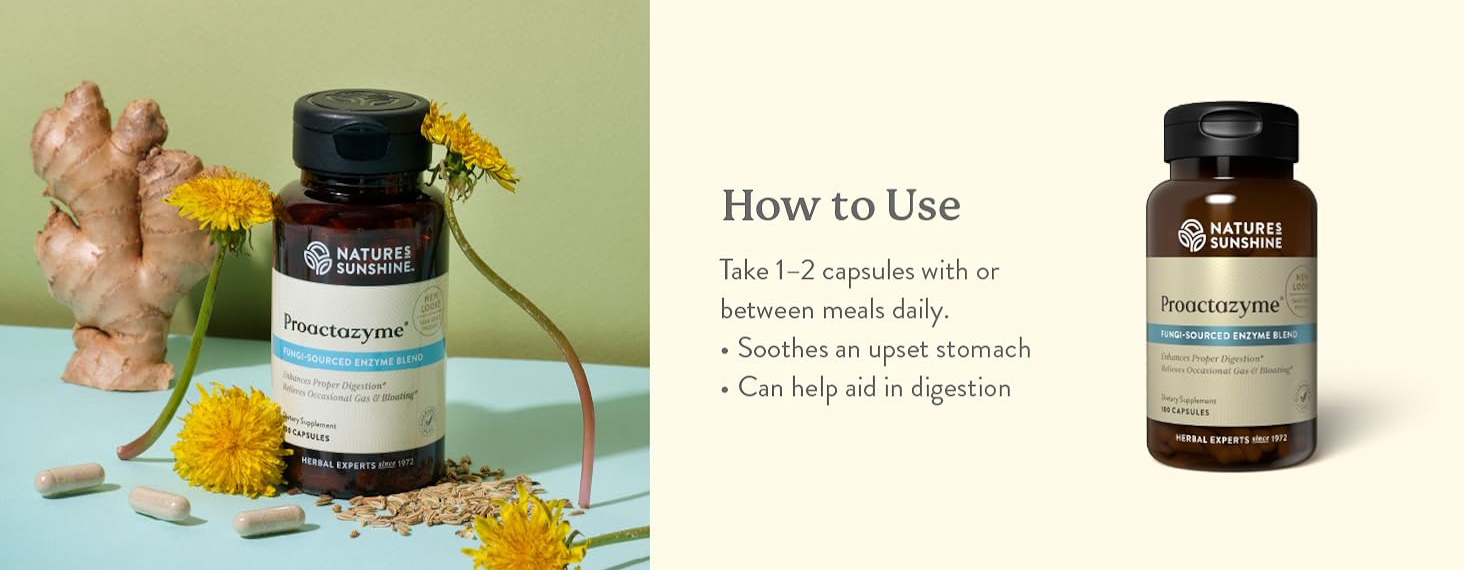
Proactazyme
Overview
Boost digestion and soothe your stomach with vegan-friendly digestive enzymes in this proven, feel-good formula!
Your body makes specialized enzymes to break down food and convert it to energy, but sometimes it doesn’t make enough.
Enzyme production also slows down with age. Not to mention, stress affects your body's ability to digest food properly.
Proactazyme® provides 9 different plant-sourced, vegan-friendly enzymes, amplified with non-GMO herbs, to help improve your digestive efficiency and maximize nutrient absorption.
Proactazyme® helps you break down your entire meal: proteins, fats & carbs, boosting digestion and minimizing occasional stomach discomfort.
Our fungi-sourced enzymes aid digestion, while fennel and ginger soothe the stomach.
Help your body extract the nutrients it needs from your diet and ward off digestive issues at the same time!
Proactazyme® is a unique, general-purpose, food-enzyme supplement to assist in the everyday digestion of most food types, including sugars, fats, vegetable fibers, long-chain starches, and proteins.
The vegan-friendly, plant-sourced protease enzymes in Proactazyme® work in different acidic conditions in the gastrointestinal system.
You get all of this enzyme power in a complementary herbal base featuring non-GMO project verified Caraway seeds, Fennel seeds, and Ginger rhizome.
Benefits
- Assists with the body's natural digestion process
- Powerful, yet gentle plant-based enzyme formula—breaks down carbs, proteins & fats
- Supports thorough digestion & maximum nutrition
- Helps reduce gas, bloating & indigestion
- With soothing ginger, plus fennel & caraway for more efficient digestion
- Non-GMO verified, Vegan-friendly fungi-sourced enzymes
How It Works
Breaking food down into smaller molecules that the body can more easily absorb and use requires digestive enzymes.
However, refined foods and overcooked foods contain minimal, if any, enzymes, which can lead to less-than-optimal digestion and occasional digestive disturbances like bloating and gas.
Digestive enzymes bind with food particles to enhance the reactions necessary to turn solid foods into liquid solutions of nutrients to be absorbed in the intestinal tract and used by our cells.
Enzymes have the capacity to process food at an amazing rate, making digestion infinitely more efficient.
Protease
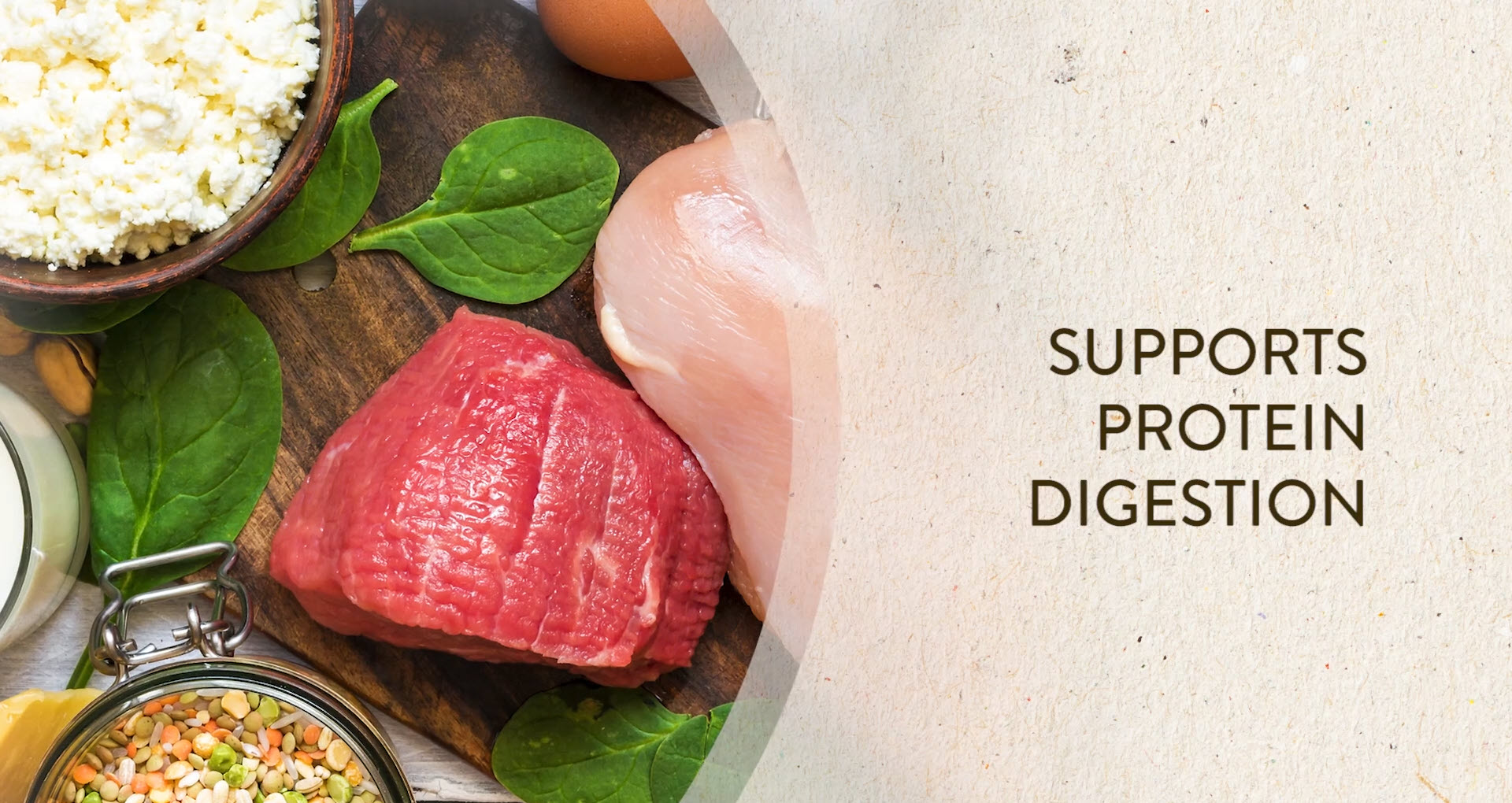
Protease is an enzyme that breaks down proteins, including milk proteins (caseins), into smaller proteins and amino acids. By aiding protein digestion, protease helps reduce bloating, gas, and other digestive discomforts that can occur, especially when eating high-protein meals or consuming a high-protein diet. Protease also helps increase nutrient absorption and supports the immune, circulatory and digestive systems.
Amylase
Amylase digests starches, converting complex carbohydrates into simple sugars. Amylase is secreted primarily by the pancreas and salivary glands.
Lipase
Lipase is the main enzyme that breaks down dietary fats (lipids) and oils. Lipase is also needed for absorption of fat-soluble vitamins. Supplemental lipase is especially helpful for people who have difficulty digesting high-fat foods, including nuts. Lipase may help reduce gas, bloating, and fullness after eating a high-fat meal.
Cellulase
Cellulase helps the body break down the cellulose fiber in fruits and vegetables into glucose. Humans cannot naturally digest cellulose, which is why some people experience gas, bloating and other digestive issues when eating foods containg cellulose. Supplementing with cellulase enzymes can improve nutrient absorption from plant-based foods and help reduce stomach discomfort that can occur when the body has difficulty digesting sucrose.
Invertase
Invertase is an enzyme that helps digest carbohydrates, particularly sucrose (table sugar). Invertase breaks down sucrose into simpler sugars (fructose and glucose), which are easier for the body to absorb and utilize. Undigested sugars that reach the large intestine can ferment and cause gas and bloating. Invertase can help reduce this discomfort when consuming sucrose and starchy foods.
Alpha-galactosidase
Alpha-galactosidase breaks down the complex carbohydrates, or sugars, present in legumes (beans) and cruciferous vegetables, including beans, broccoli, brussels sprouts, cabbage, cauliflower and peas. If left undigested, these complex carbohydrates can cause gas and bloating in some people.
Beta-glucanase
Beta-glucanase is an enzyme that breaks down carbohydrates known as beta-glucans that are found in cereal grains such as barley, oats, rye, and wheat.
Phytase
Phytase breaks down carbohydrates, particularly phytic acid (phytate), found in seeds, nuts, grains and plant leaves. Phytase also helps improve mineral absorption by freeing phytate-bound minerals such as calcium, iron and zinc, making them more easily available for the body to absorb. Phytase can also help improve the digestion of amino acids in plant-based proteins.
Beet Root Fiber
Red beet root, also referred to as just "red beet", has traditionally been used to promote glandular and liver health. Beets contain dietary fiber which enhances digestion, promotes the growth of healthy intestinal bacteria, and supports bowel regularity. Beets are also a rich source of dietary nitrates that support vascular health.
Caraway
The crescent-shaped seeds of caraway are actually the fruit of this plant. Caraway seeds have long been used for digestive issues like gas and bloating. Caraway also provides antioxidants. Its pungent anise-like flavor may be attributed to the active compounds limonene and carvone. According to the European Union Herbal Monograph, caraway is traditionally used for symptomatic relief of digestive problems such as gas and bloating.
Dandelion
Dandelion supports digestion and is reported to have tonic effects on the liver and gallbladder. Traditionally used as a liver tonic, dandelion contains polysaccharides that may support liver function and help detoxify the liver. Animal studies show that antioxidants found in dandelion root (including caffeic acid and luteolin) may help protect the liver and support healthy cholesterol levels.
Fennel
Fennel is an aromatic herb that helps soothe digestive disturbances and relax smooth muscles of the digestive and intestinal tract. Fennel is regarded as a traditional cleansing herb and is often used after eating to ease cramping, bloating and gas. Fennel seeds are rich in antioxidants and micronutrients such as selenium, which supports the immune system.
Gentian
Gentian root is known for its bitter taste and has been used traditionally to support the digestive system. Gentian root has been used in both Traditional Chinese Medicine (TCM) and Ayurveda, the ancient Indian system of medicine. During the Middle Ages, gentian was used by Europeans as a digestive tonic to promote appetite and relieve stomach upset, nausea and gas. Gentian root stimulates the release of digestive fluids and bile. Gentian is also said to support liver and gallbladder function.
Ginger
Ginger has been used as both food and medicine in Asia for thousands of years. Traditionally, ginger has helped with a laundry list of complaints, including cold, fever, joint discomfort, aches, cramps, nervous system support, oral health, circulatory health, plus indigestion, gas, nausea and vomiting. Researchers have found that ginger may help settle the stomach during times of occasional nausea, motion sickness and morning sickness.
Ingredients
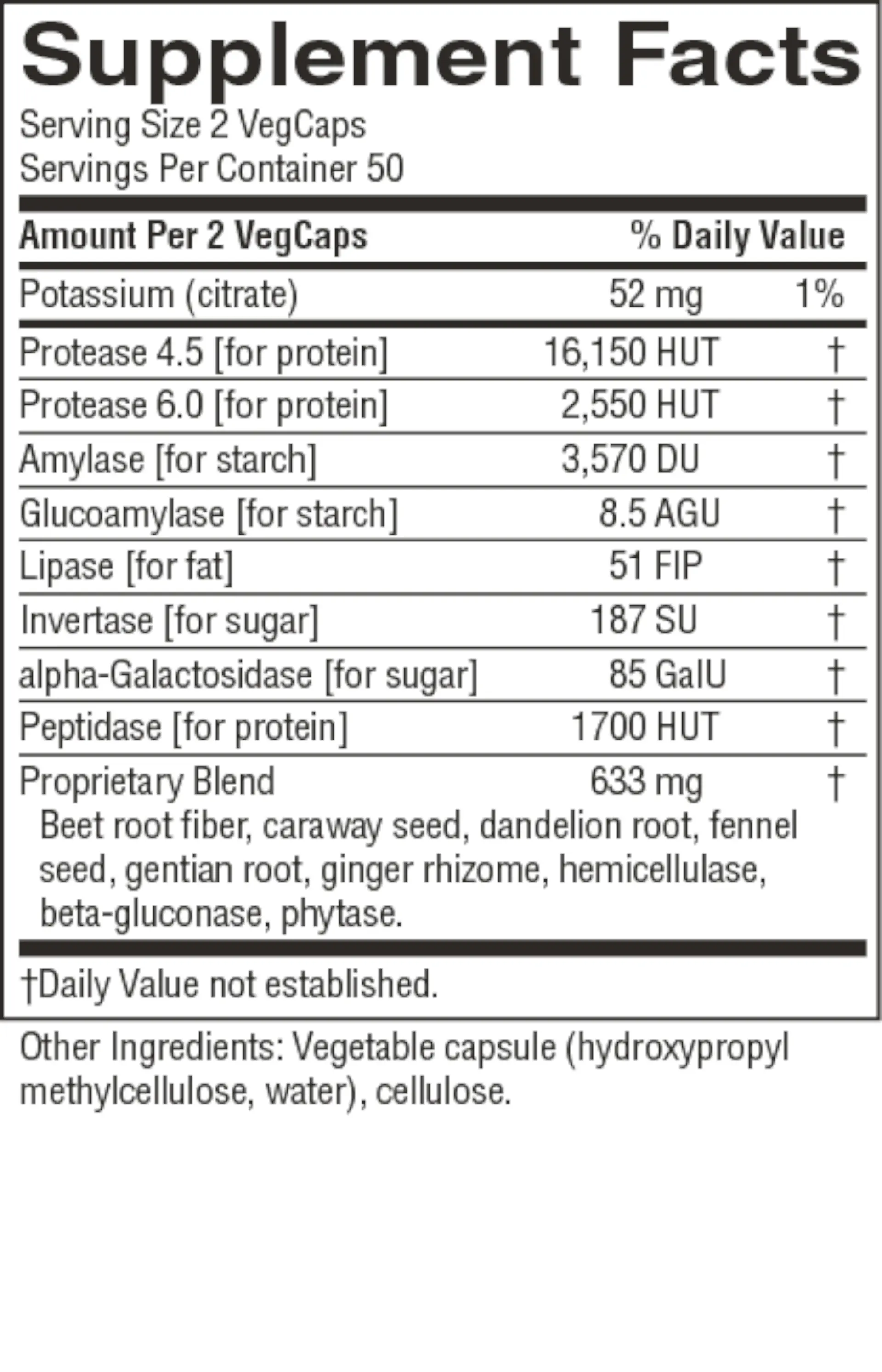
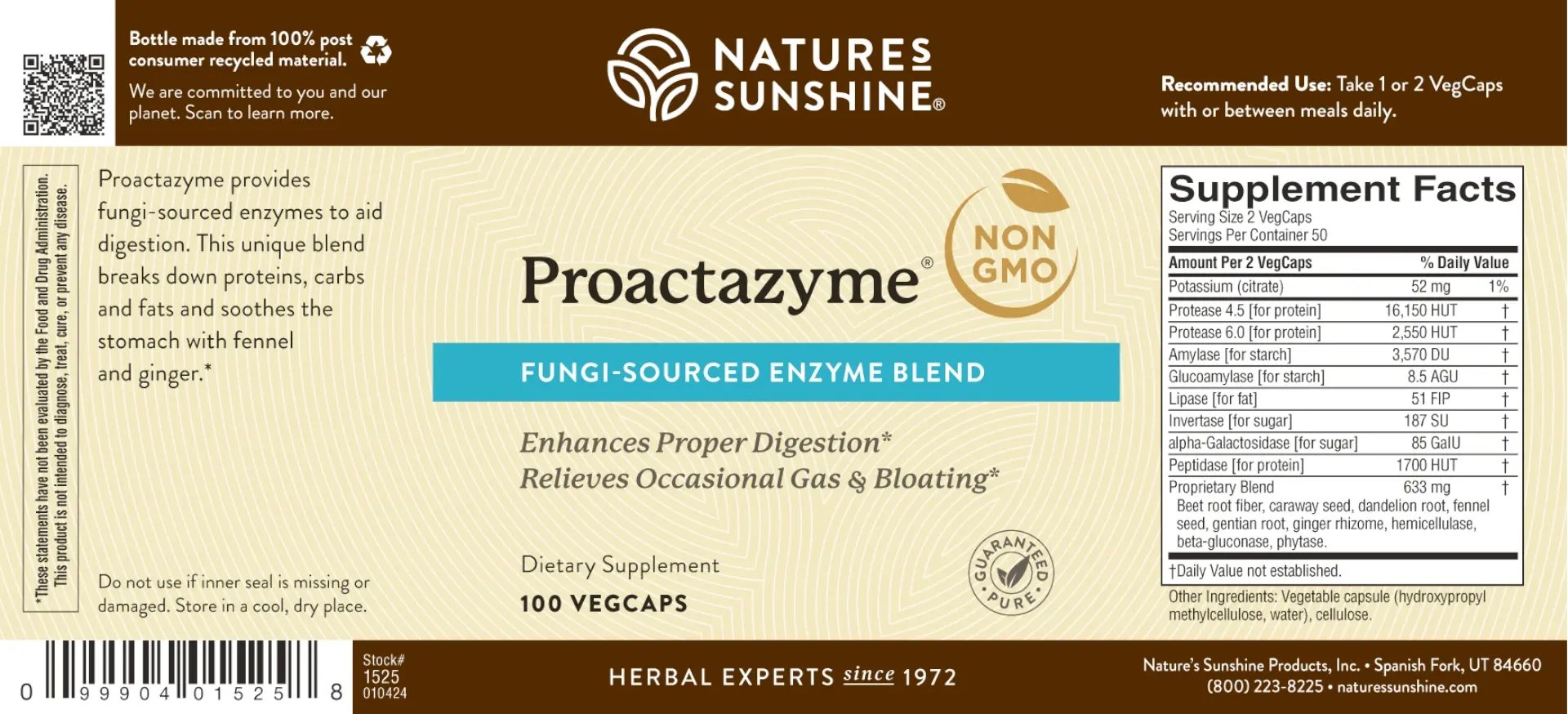
Protease [for protein], Amylase [for starch], Glucoamylase [for starch], Lipase [for fat], Cellulase [for fiber], Invertase [for sugar], Malt diastase [for starch], Alpha-galactosidase [for sugar], Peptidase [for protein], and Potassium (citrate), plus a proprietary blend of Beet root fiber, Caraway seed, Dandelion root, Fennel seed, Gentian root, Ginger rhizome, Hemicellulase [for plant fiber], Beta-gluconase [for grains], Phytase [for grains, legumes, seeds, corn].
Quality
This non-GMO, nutritional blend features herbs and nutrients that are tried and true in the world of natural health.
Your body craves pure, potent and effective nutrients. We're obsessed with delivering them, so you get the benefits you expect and the results you deserve.*
Recommended Use
Take 1 or 2 capsules with or between meals daily.
Related Products

Reviews
* These statements have not been evaluated by the Food and Drug Administration. This product is not intended to diagnose, treat, cure or prevent any disease.