My Herb Store
Pure, Potent & Proven
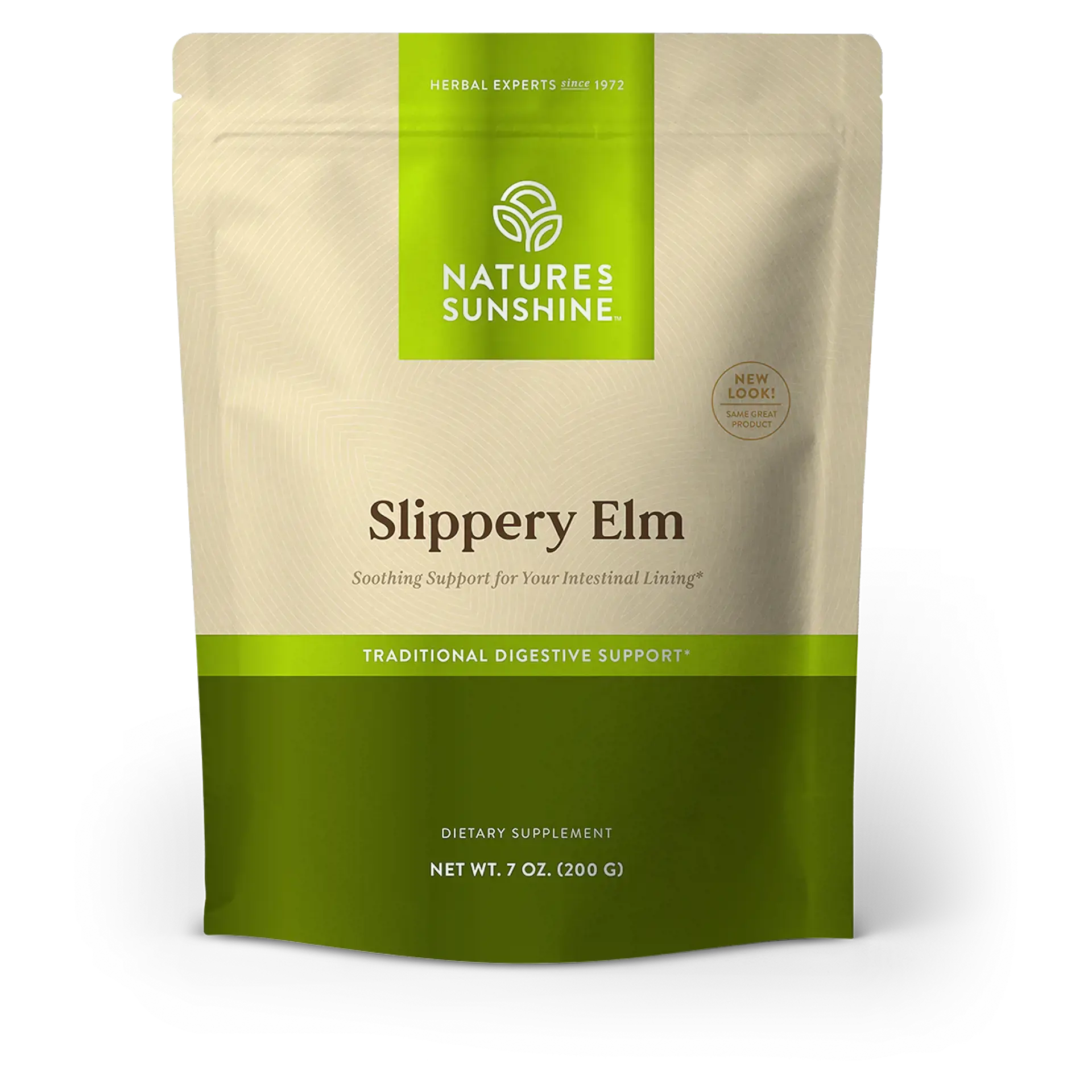







Slippery Elm Powder
Product Options
Overview
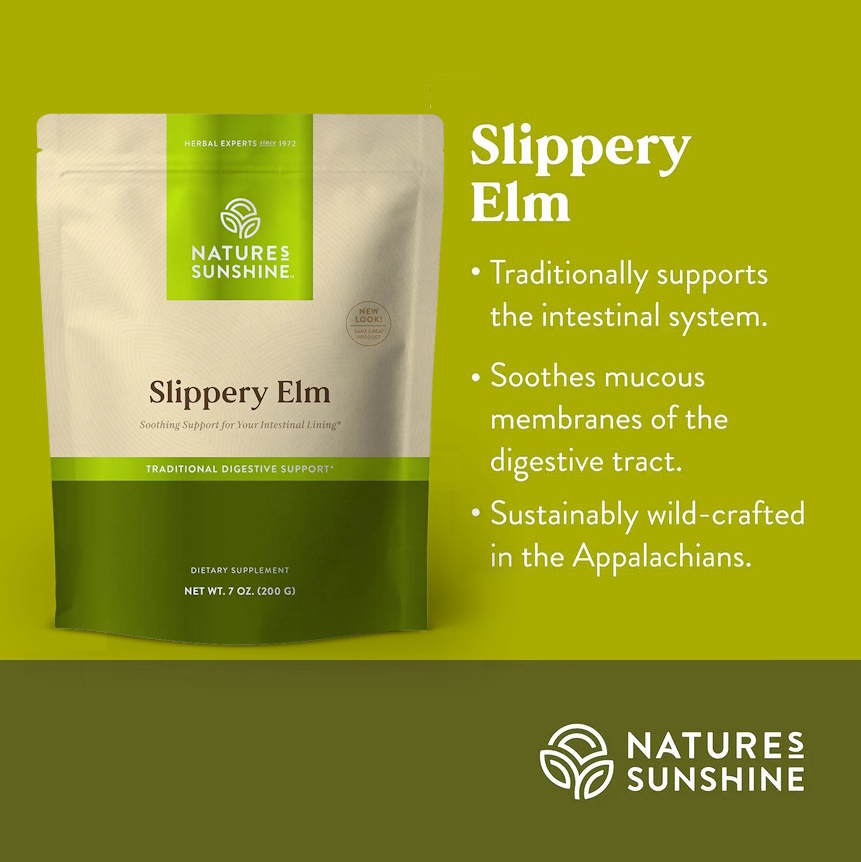
Soothe your digestive tract and help maintain normal elimination with Slippery Elm powder.
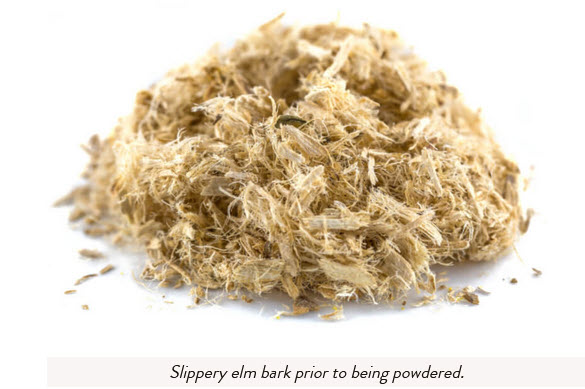
Our wild-crafted, non-GMO, Appalachian Slippery Elm bark powder helps things slide along properly in the most gentle, soothing way.
The bark of the slippery elm tree contains mucilage, a compound that naturally forms a slippery and soothing gel-like substance when combined with water.
Slippery elm bark also helps absorb toxins from the bowel, promoting overall gut health.
For centuries people have used slippery elm to support digestion and to soothe the mucosal linings of the digestive and intestinal systems.
Slippery elm is a species of elm tree native to eastern North America. It was used by many Native American tribes for a variety of benefits, including gastrointestinaI tract health to soothe irritated intestinal tissues and for digestive and immune support.
The Iroquois scraped the bark off and used it topically for the skin and to help heal wounds. The Dakota and other tribes also boiled the fresh inner bark and drank it as a natural laxative. Native Americans then shared their discoveries with settlers who adopted the tree and its amazing health benefits.
Our non-GMO slippery elm bark is carefully collected only from mature trees.
Benefits
- Supports the digestive & intestinal systems.
- Soothes the digestive tract & intestinal lining.
- Helps maintain normal elimination.
- Absorbs toxins from the bowel.
- Sustainably wild-crafted in the Appalachians
- Non-GMO certified
How It Works
Slippery elm bark is rich in nutrients, including vitamins, minerals, dietary fiber, antioxidants and the primary active ingredient, mucilage.
Slippery elm bark contains up to 50% mucilage, which is composed of polysaccharides (sugars) that form a protective and soothing gel when mixed with water.
Prized for its mucilage content, slippery elm has bark been used traditionally to soothe and protect the mucosal lining of the entire gastrointestinal tract.
Slippery elm mucilage has been known to help regulate bowel movements to maintain normal elimination.
By absorbing excess liquid in the intestines, slippery elm mucilage can add bulk to loose stools and slow their passage.
The mucilage can also provide mild laxative effects and make stools easier to pass.
Due to its high fiber content, slippery elm is considered a prebiotic that helps support a healthy gut microbiome.
Plus, slippery elm helps absorb toxins from the bowel, contributing to overall gut health.
Research indicates that the natural tannins and flavonoids in slippery elm provide astringent and antioxidant properties and help promote a healthy inflammatory response.
And, animal studies suggest that slippery elm bark influences immune system activity by increasing the production of signaling proteins called cytokines.
Slippery elm bark is also used in lozenges or as a tea to ease coughs and alleviate a sore or dry throat, due to its gel-like mucilage which helps to coat and soothe the mucosal lining of the throat.
Slippery elm can be used topically in various way to soothe and protect the skin.
Slippery elm powder can be mixed with water to create a paste (or poultice) or added into creams and balms to help soothe and moisturize dry skin.
The mucilage in slippery elm is believed to offer a protective, moisturizing layer for minor wounds and dry or irritated skin, while the natural tannins and flavonoids provide an astringent action and help reduce redness and promote healing.Ingredients
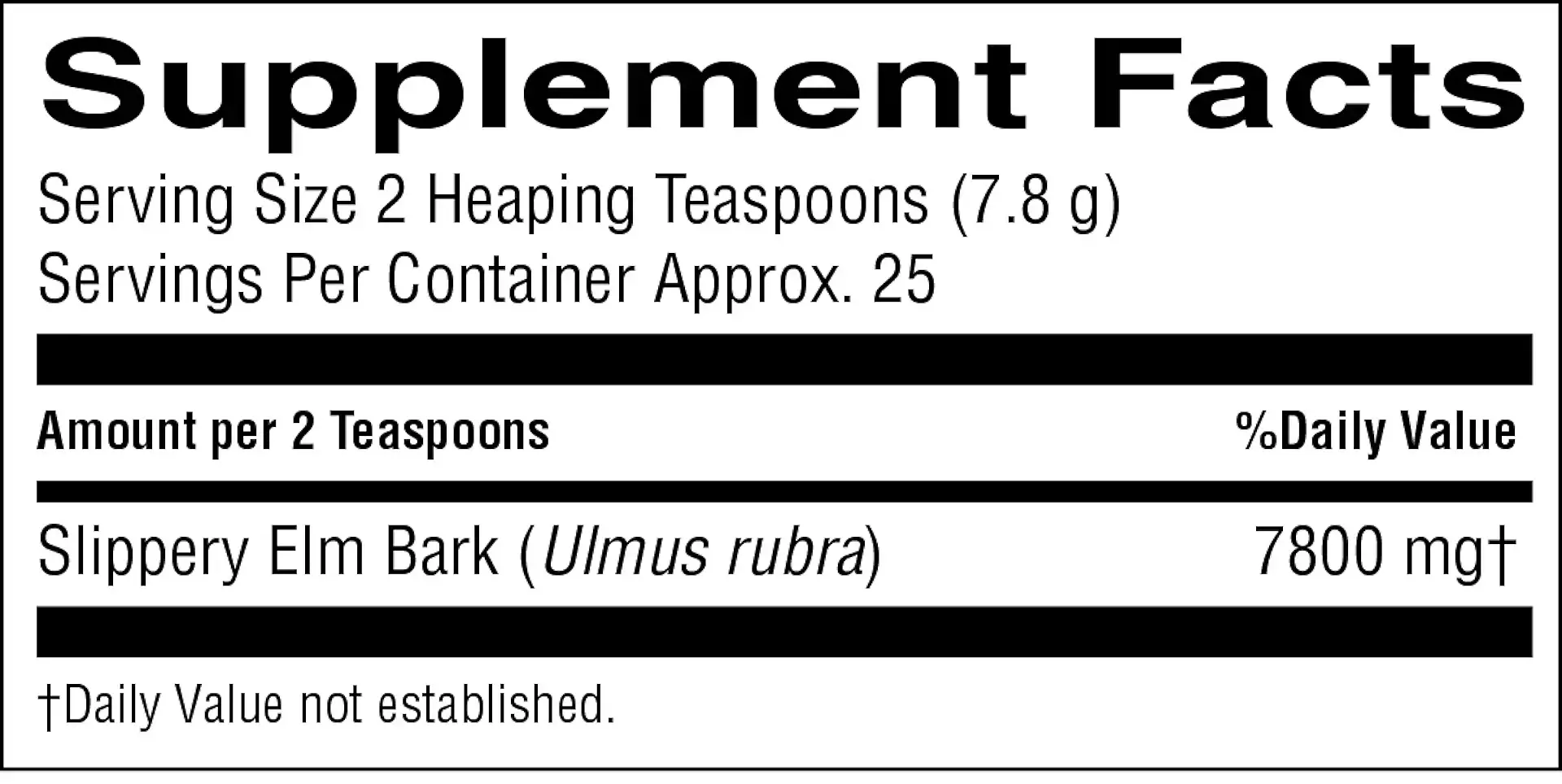
Slippery elm bark.
Quality
We get our slippery elm material from an experienced network of harvesters in the Southern Appalachians. These skilled botanists excel at obtaining high-quality material. They collect in the spring while sap is running, which allows for easier rossing or separating the inner bark from the hard wood.
Collectors look for trees that are at least 15 years old (usually closer to 30) and use only sustainable wild-crafting methods.
Our slippery elm bark is non-GMO certified.
Recommended Use
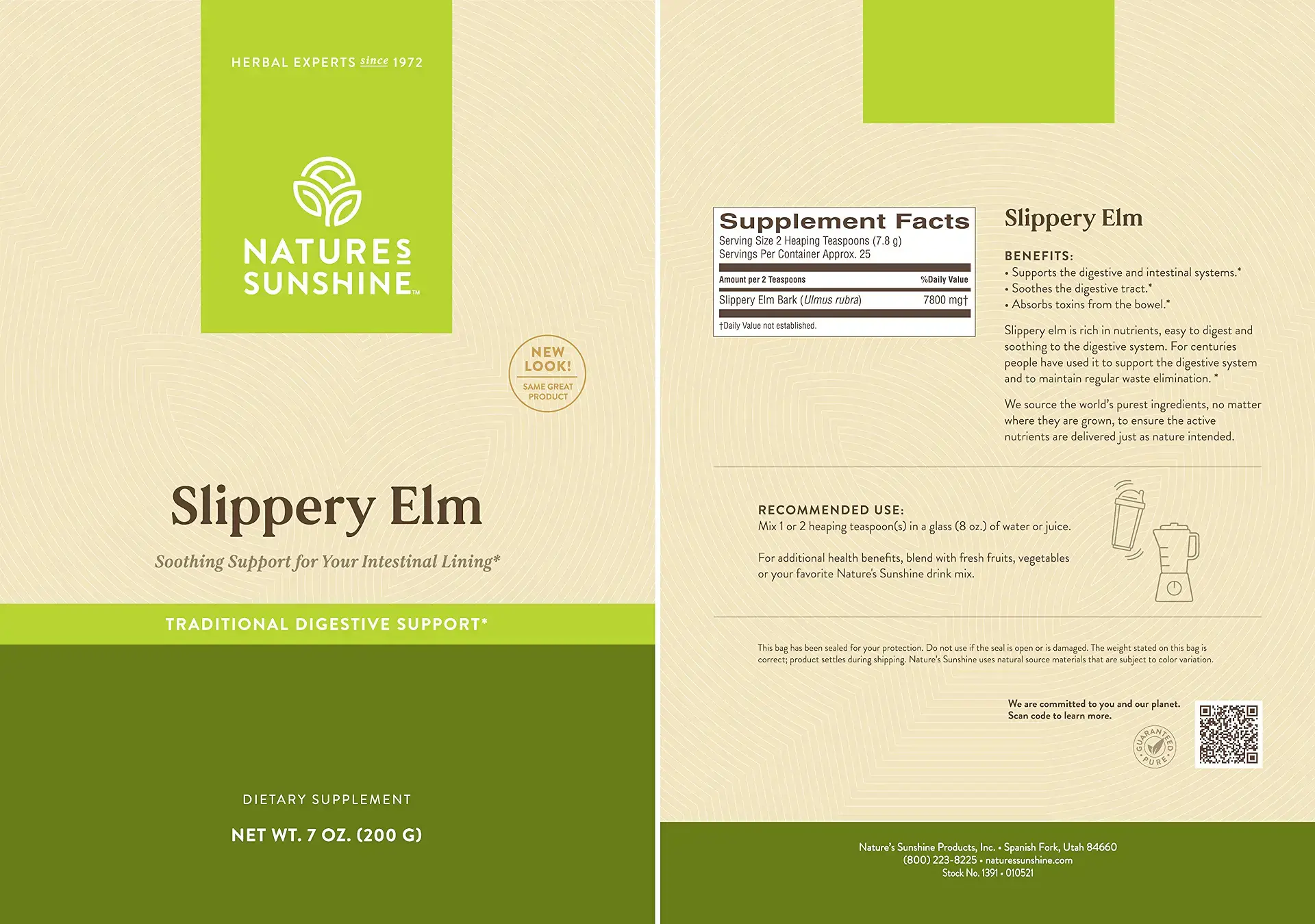
Mix 1 or 2 heaping teaspoon(s) in 8 oz. of pure water or juice.
For additional health benefits, blend with fresh fruits, vegetables or your favority Nature's Sunshine drink mix.
Related Products
Reviews
* These statements have not been evaluated by the Food and Drug Administration. This product is not intended to diagnose, treat, cure or prevent any disease.