My Herb Store
Pure, Potent & Proven
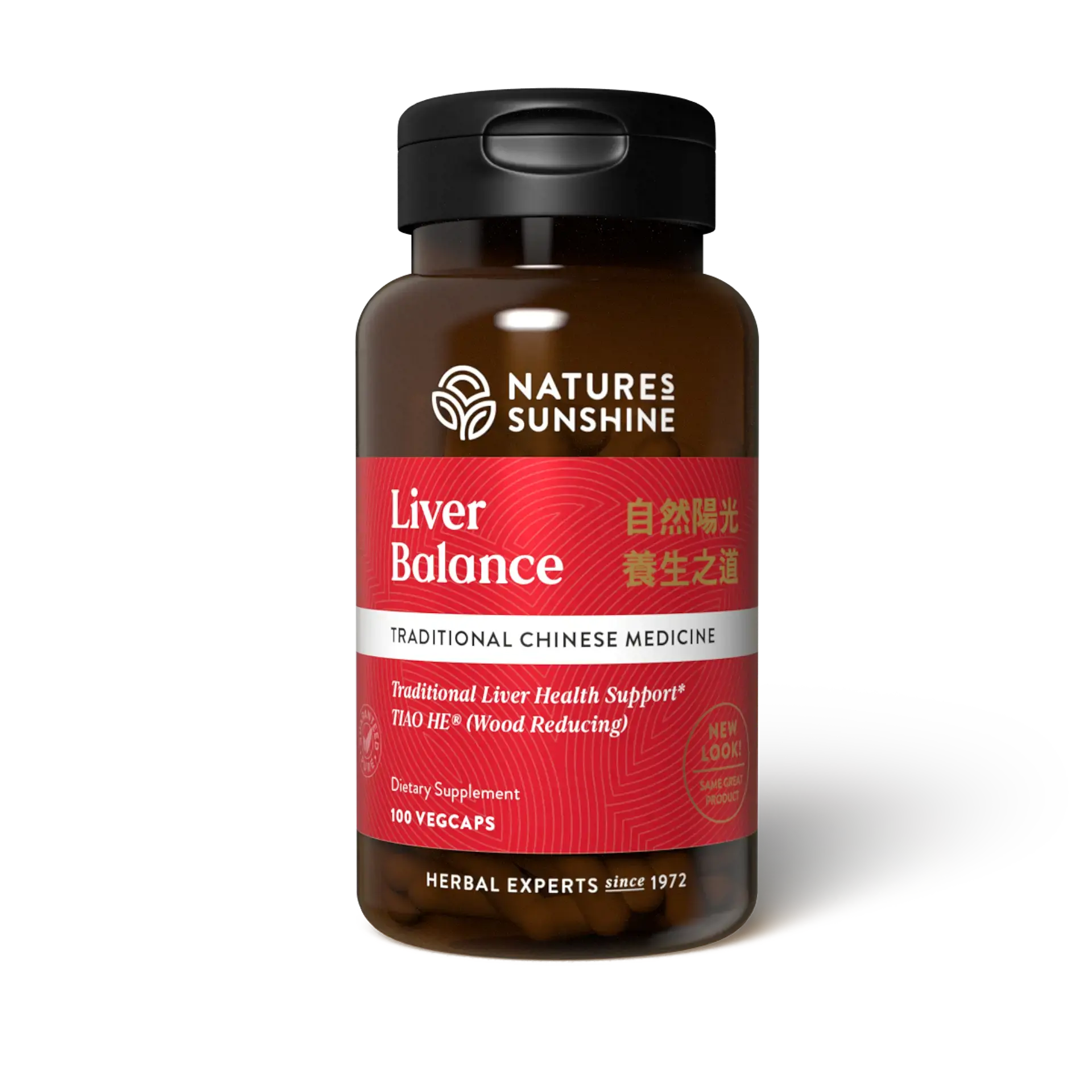






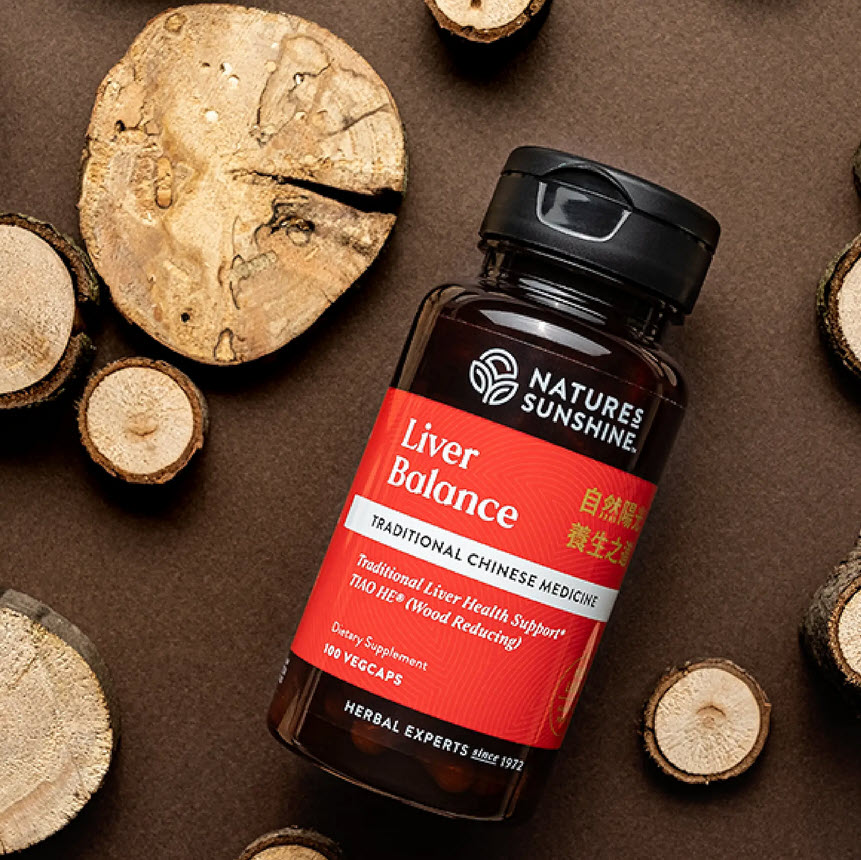
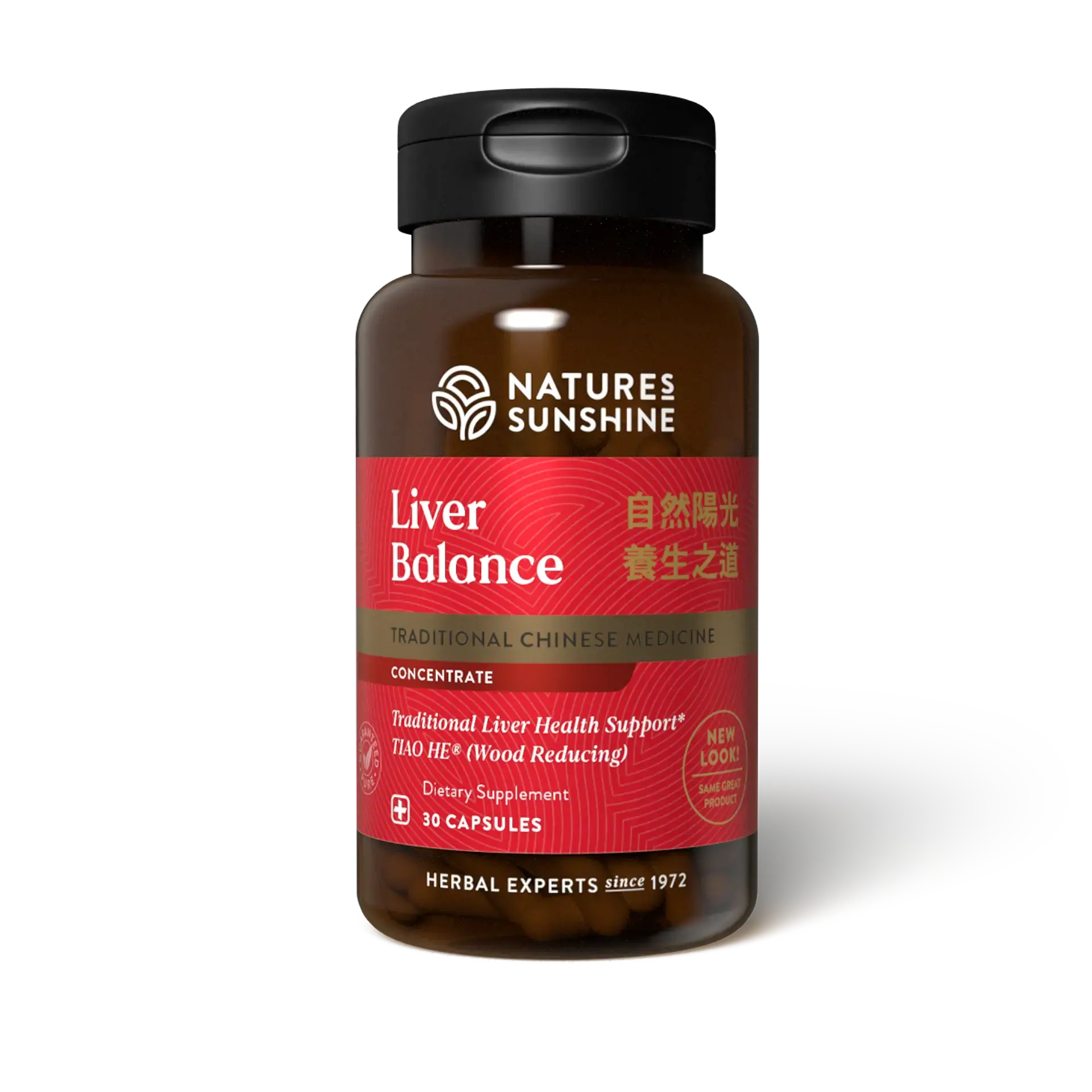
Liver Balance, Chinese
Overview
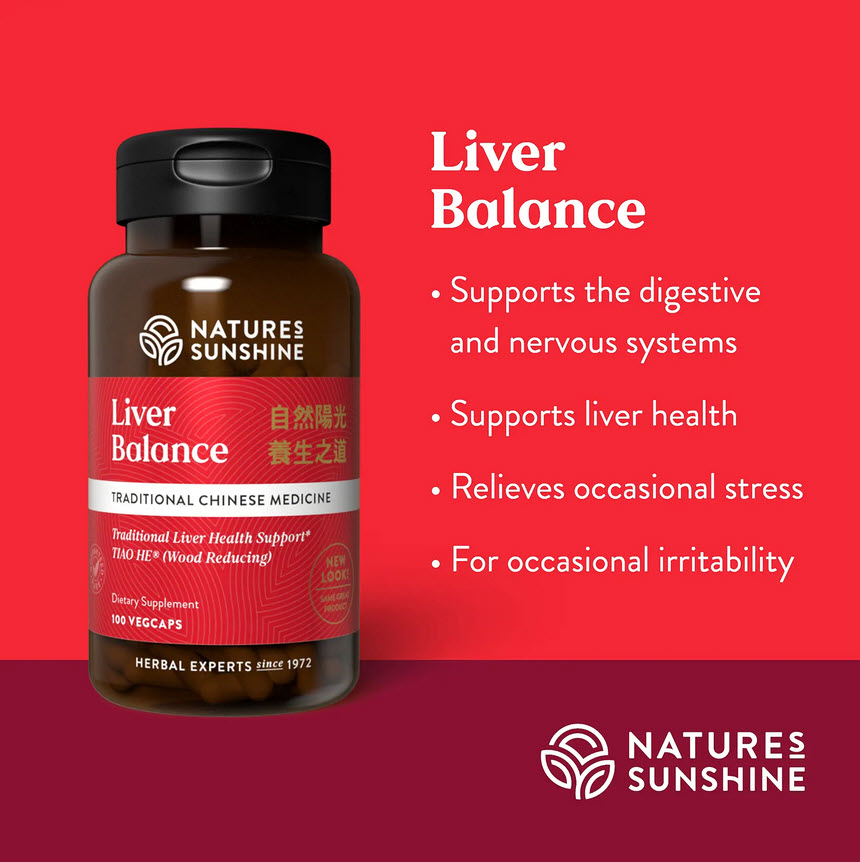
Liver Balance is a blend of Chinese herbs that supports both the digestive and nervous systems, while optimizing liver health during times of tension.
This unique formula also helps the body deal with stress and may improve well-being.
The specially selected herbs in Liver Balance—Chinese peony, scute, bupleurum and atractylodes—have been used traditionally to maintain normal nervous system function during mental stress and to support the upper digestive system during tension and distress.
The Chinese call this formula tiao he, which can be translated to mean “harmonizing”.
Traditional Chinese Medicine (TCM) philosophy names five distinct energies that permeate the body: Fire, Earth, Metal, Water and Wood.
In order to feel your best, these energies must be in balance.
In Traditional Chinese Medicine, Liver Balance is considered a “wood-reducing” formula.
Wood concerns your liver, your primary organ of detoxification. Detoxification is one of the most important body functions as it rids excess waste and promotes vitality.
The liver is also a major facilitator of blood purity. But an effective blood cleanser must deal with all of the cleansing organs, including the kidneys, colon and skin.
To calm your wood element, try Liver Balance (+).
Benefits
- Supports liver health & liver cleansing function
- Supports the digestive & nervous systems
- Relieves occasional stress & irritability
- May improve well-being & restore vigor
How It Works
According to Eastern philosophy, life permits us to work with what we have on earth here and now—body and mind—in order to reclaim and maintain the innate energy and spirit that reside within us. Energy and spirit must be awakened, nurtured and balanced in order for life to flourish.
Under TCM philosophy, Liver Balance is designed to support the needs of a stressed wood constitution. It may also promote feelings of well-being and restored vigor.
Bupleurum
Bupleurum, regarded as one of the best Chinese herbs for the liver, is the most important “cooling herb” according to Chinese herbology. Bupleurum is a bitter herb that is believed to aid the upward flow of "chi", or the body’s living force, thereby strengthening the body against stress. Bupleurum is thought to strengthen the liver, providing a “yang” energy that the Chinese believe raises the chi in the digestive organs. Bupleurum helps clear a congested or stagnant liver and supports gallbladder function. Bupleurum has also been used to maintain normal nervous system function during mental stress, and to support the upper digestive system during tension and distress.
Chinese Peony
Eastern gardens have featured peonies for over 4,000 years, and they can now be found throughout Asia, North America and Europe. Chinese peony has been used in TCM to maintain healthy nervous system function during mental stress and to support the upper digestive system during tension and distress. Chinese peony also has immunomodulatory effects and promotes healthy blood circulation. Plus, it helps relax muscle cramping and spasms, relieves aches and discomfort, and promotes a healthy inflammatory response by inhibiting the production of pro-inflammatory molecules in the body.
Dong Quai
Dong quai root is used in TCM to invigorate blood circulation and enrich the blood. TCM practitioners also use dong quai to restore the body's vital energy known as "qi" or "chi", and to return the body to a state of natural balance. Dong quai also helps to calm the nerves, soothe the intestines, and relax muscle cramping and spasms.
Hoelen
Hoelen sclerotium has been used for centuries in TCM to “drain dampness” and increase urinary flow. Hoelen also helps to relieve congestion and feelings of heaviness in the body. Hoelen is included in formulas to strengthen spleen function and relieve nausea and vomiting due to congested stomach fluids.
Scute
Scute root, also known as Chinese scullcap, has been used in TCM to “clear the heat” and promote a healthy inflammatory response. In TCM, scute is said to "sedate energy that ascends from the liver". Scute root nourishes the liver, gallbladder and spleen, while supporting fluid balance in the body and helping to removes toxins. Scute root contains a powerful antioxidant called baicalein. Scute works synergistically with bupleurum root.
Atractylodes
Atractylodes has been used traditionally to maintain normal nervous system function during mental stress and to support the upper digestive system during tension and distress. Atractylodes is believed to strengthen the spleen and may help relieve intestinal gas and occasional bouts of nausea.
Asian Ginseng
Asian ginseng root has been used for centuries to benefit both mental and physical health. Ginseng root has been traditionally consumed to boost energy, improve memory and concentration, promote endurance and exercise performance, enhance immune system activity, and elevate mood. Active constituents in the plant, called ginsenosides, support the glandular system and boost the immune system. As an adaptogen, ginseng helps optimize bodily functions, supports the body’s efforts to achieve balance, and is commonly used to promote energy and vitality.
Ginger
Ginger root (or rhizome) has been used as both food and medicine in Asia for thousands of years. Although it originated in Southeast Asia, its use spread throughout the eastern and western civilizations where it was valued for cooking, digestive support and its medicinal merits. Traditionally, ginger has helped with a laundry list of complaints, including cold, fever, joint discomfort, aches, cramps, nervous system support, oral health, circulatory health, plus indigestion, gas, nausea and vomiting. Researchers have found that ginger may help settle the stomach during times of occasional nausea, motion sickness and morning sickness.
Licorice
Ancient Greeks and Romans used licorice root for its numerous health benefits. Licorice has been a key part of many Chinese herbal formulas for thousands of years. TCM has relied on licorice root to provide respiratory, digestive and reproductive system support. Most Chinese herb combinations use licorice to balance the other herbs and to promote vitality. It has a reputation for helping the entire body maintain balance and for promoting well-being. Plus, licorice root may help soothe irritated tissues and relieve redness and swelling. Licorice root contains compounds like glycyrrhizin and glabridin that promote a healthy inflammatory response.
Ingredients
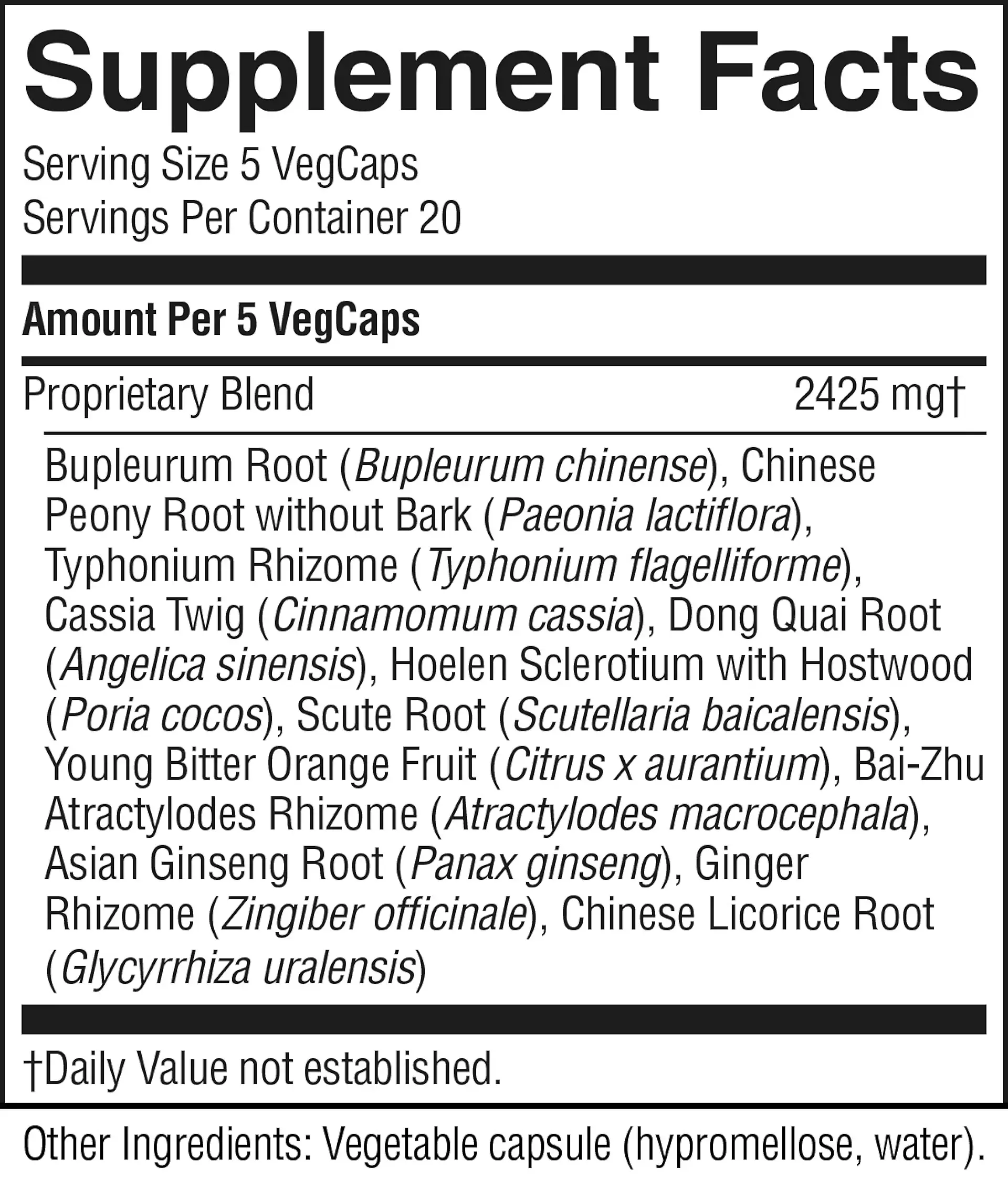
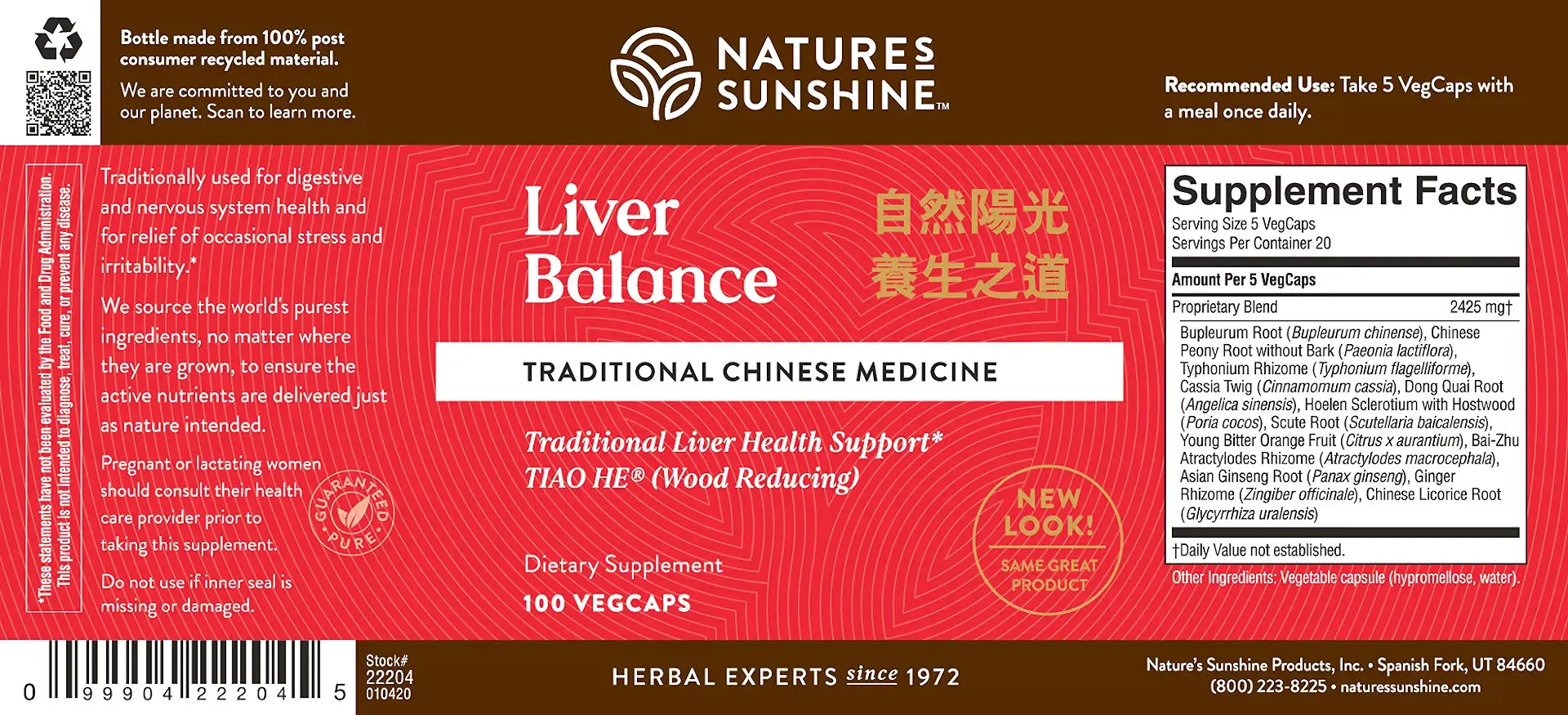
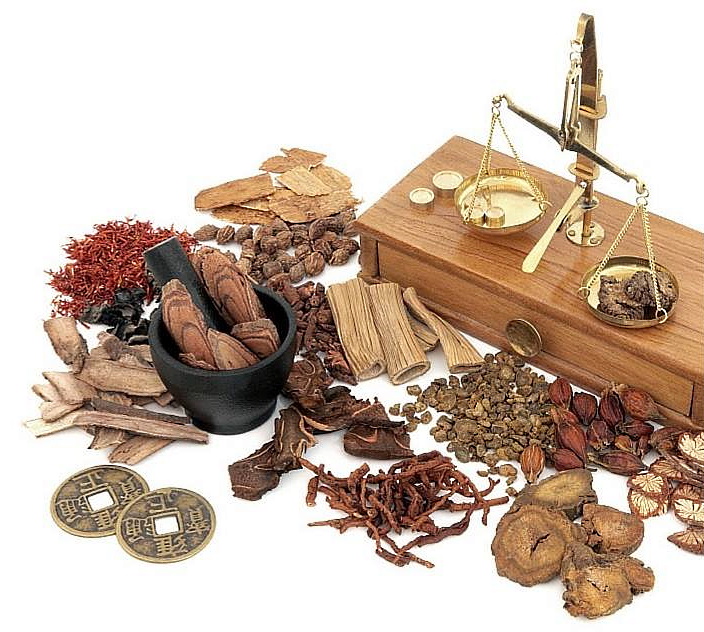
Proprietary blend of Bupleurum root, Chinese peony root without bark, Typhonium rhizome, Cassia twig, Dong quai root, Hoelen sclerotium with hostwood, Scute root, Young bitter orange fruit, Bai-zhu atractylodes rhizome, Asian ginseng root, Ginger rhizome and Chinese licorice root.
Quality
Our Chinese herbal blends carefully follow the principles of ancient Chinese Medicine that have been practiced for more than two millennia.
For more than 35 years, we’ve partnered with the same incredible vendor to collaborate with farmers in traditional communities to bring only the finest herbs from China to the US. And we’ve conducted multiple on-site audits throughout the years to re-verify the quality of both their facility and herbs.
Our farmers are deeply attached to the land they have lived on and worked for generations, and they practice regenerative farming methods to preserve it for future use.
Recommended Use
Take 5 VegCaps with a meal once daily.
NOTE: Pregnant or lactating women should consult their health care provider prior to taking this supplement.
Related Products
Reviews
* These statements have not been evaluated by the Food and Drug Administration. This product is not intended to diagnose, treat, cure or prevent any disease.